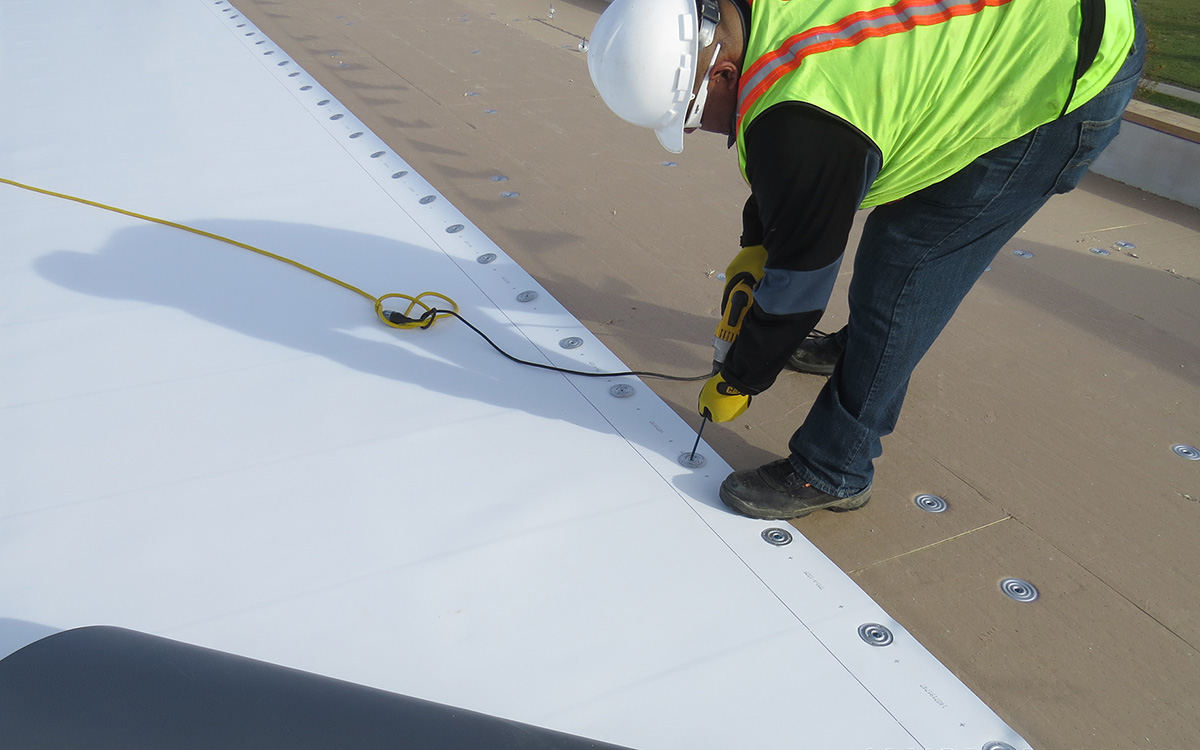
Commercial Roofing Services in Tacoma, WA
Commercial Roofing of Tacoma helps facility teams compare scopes, repair priorities, roof systems, and scheduling needs across Tacoma and the South Sound. Each page below covers a specific roofing need with practical visitor-facing details.
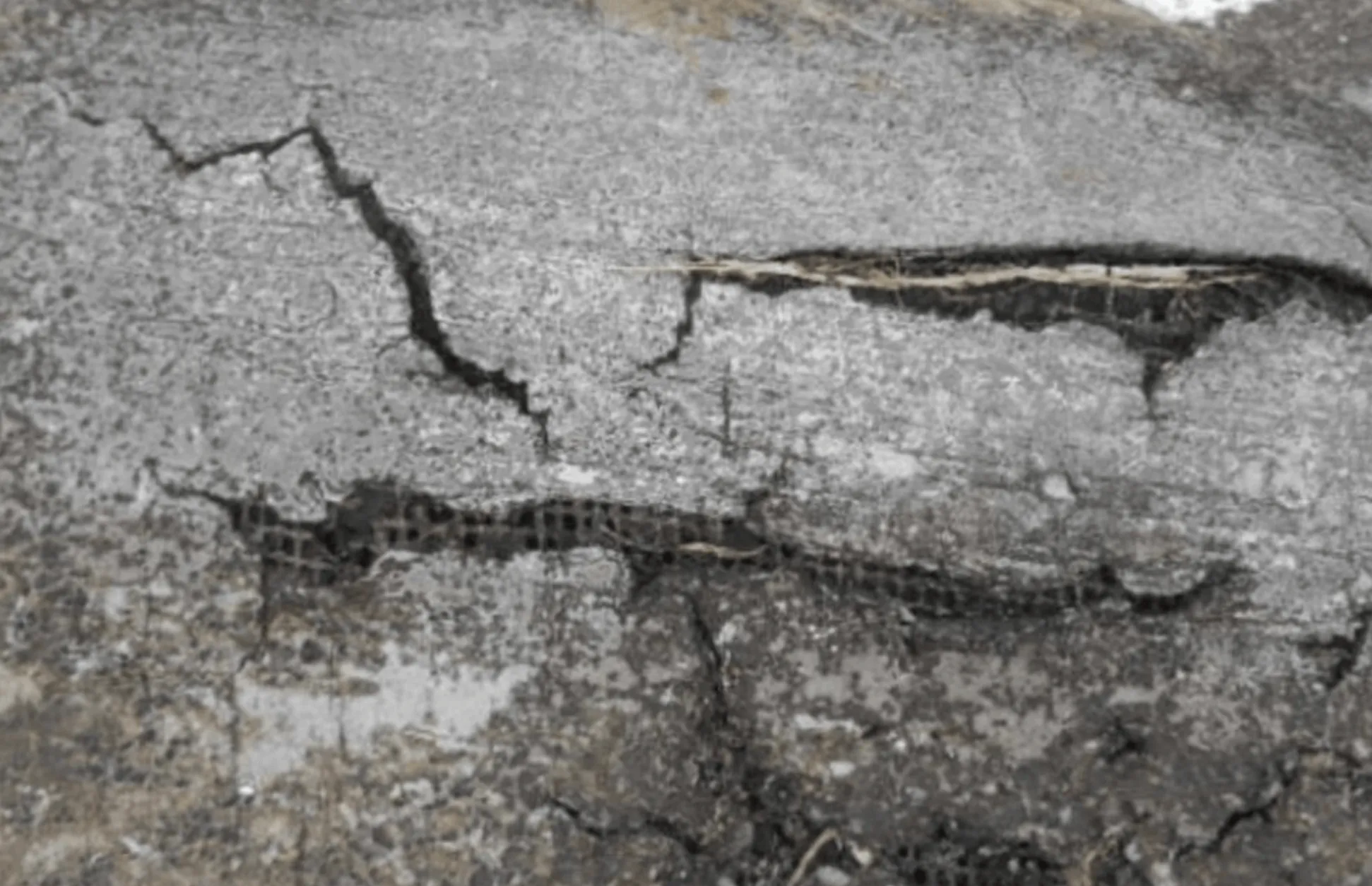
Commercial Roof Leak Repair in Tacoma, WA
Most Tacoma leaks trace back to flashing, fastener penetrations, or a seam that opened, not the field membrane; we trace the water to its real entry point rather than chasing the stain on the ceiling tile.
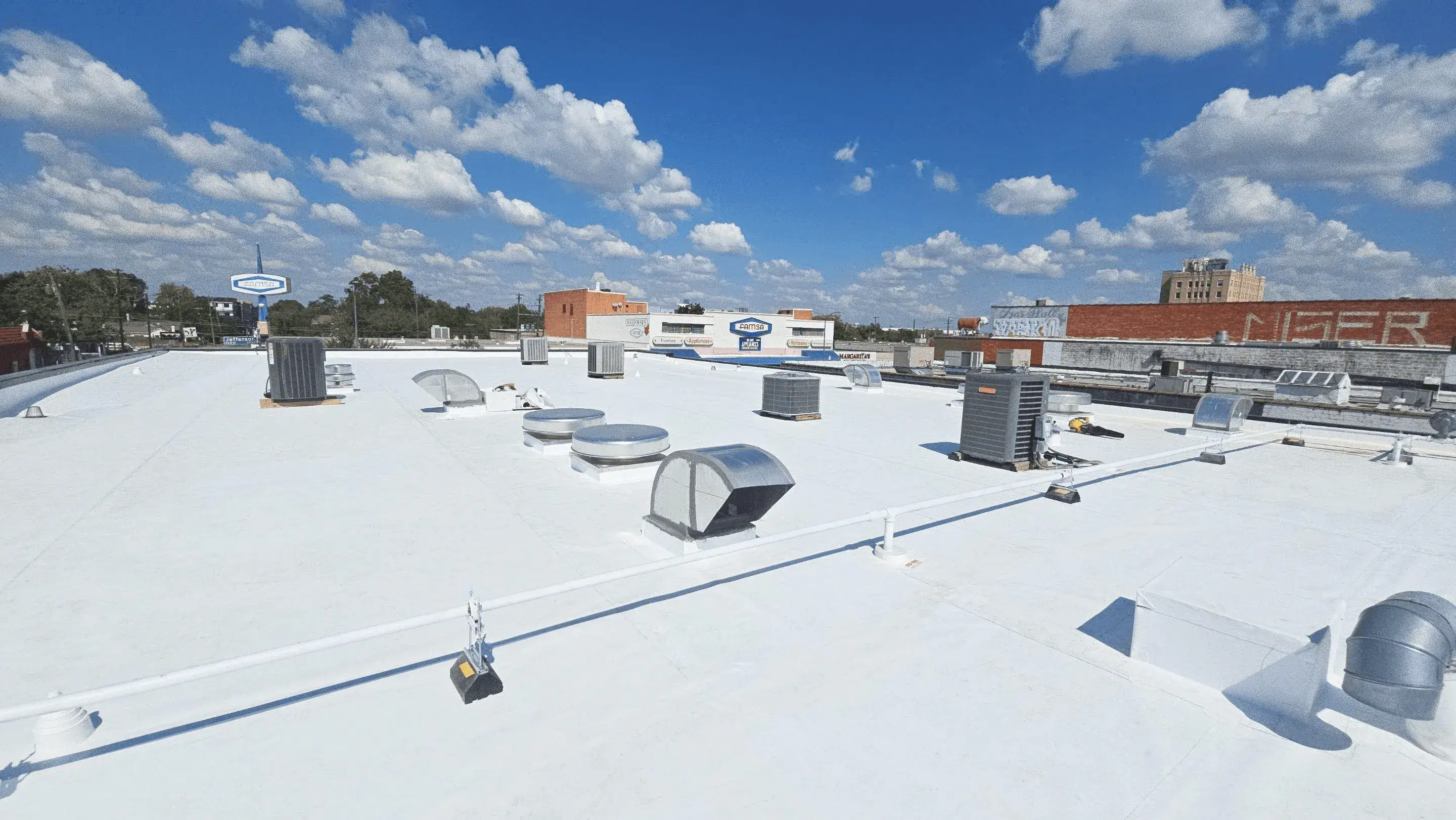
Commercial Roof Replacement in Tacoma, WA
When repair stops paying off, full replacement resets the warranty clock and lets us rebuild slope, insulation, and drainage to current code for the wet Pacific Northwest loads a Tacoma roof actually carries.
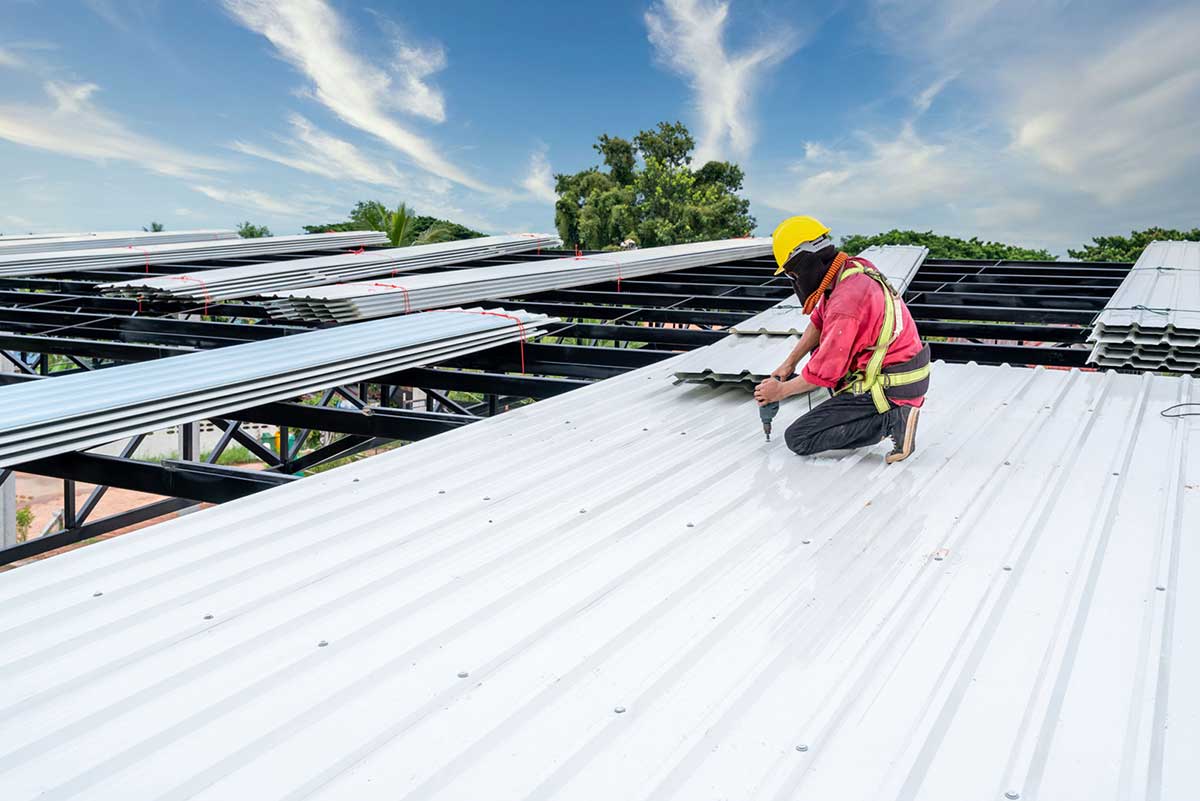
Commercial Re-Roofing in Tacoma, WA
When a Tacoma membrane is past coating but the deck is sound, reroofing strips and replaces the system in staged areas, letting tenants keep operating while we correct slope and drainage along the way.
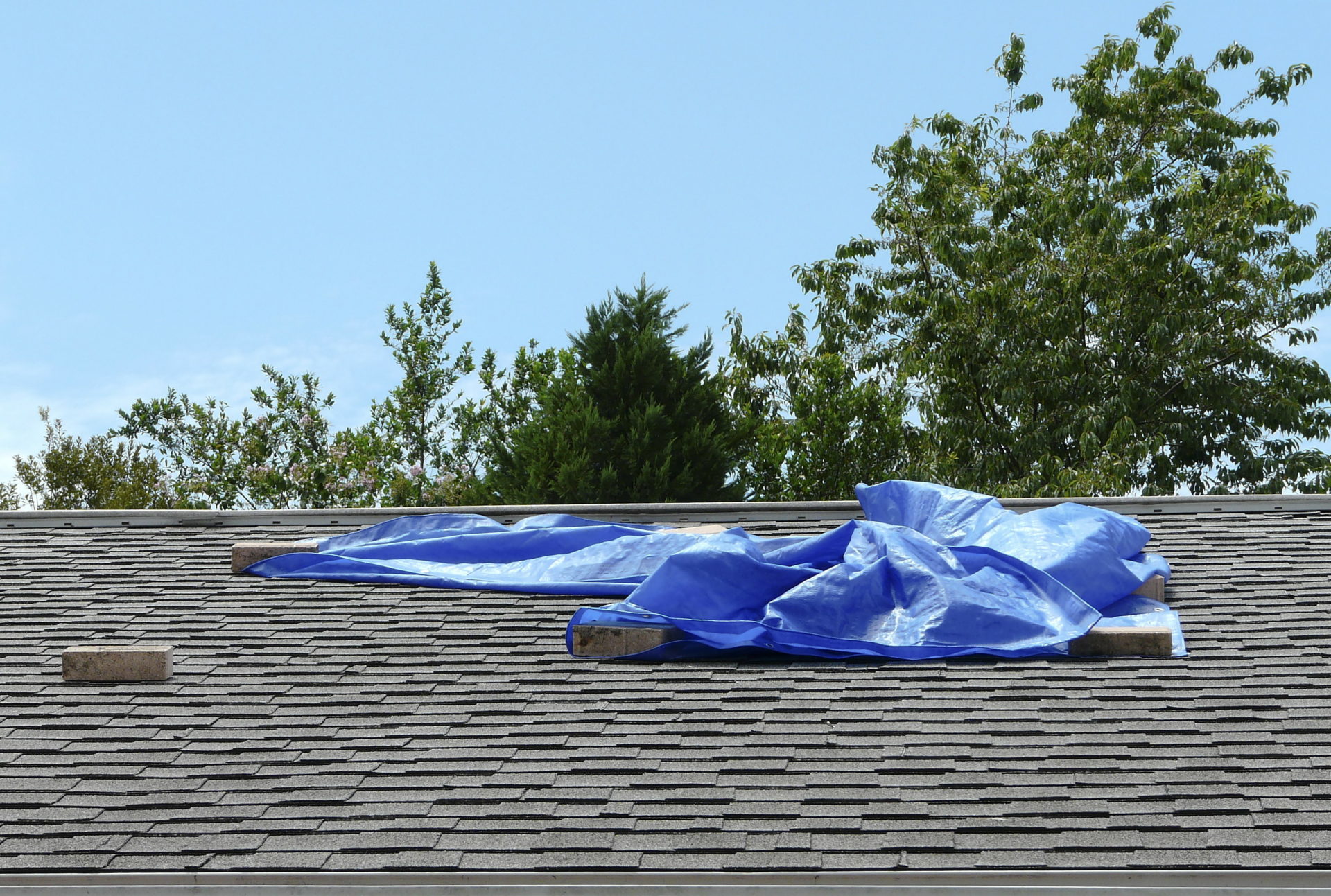
Commercial Roof Repair in Tacoma, WA
Targeted repairs keep a serviceable roof in play across the South Sound, addressing splits, punctures, and tired details so a sound assembly is not replaced years before its time.
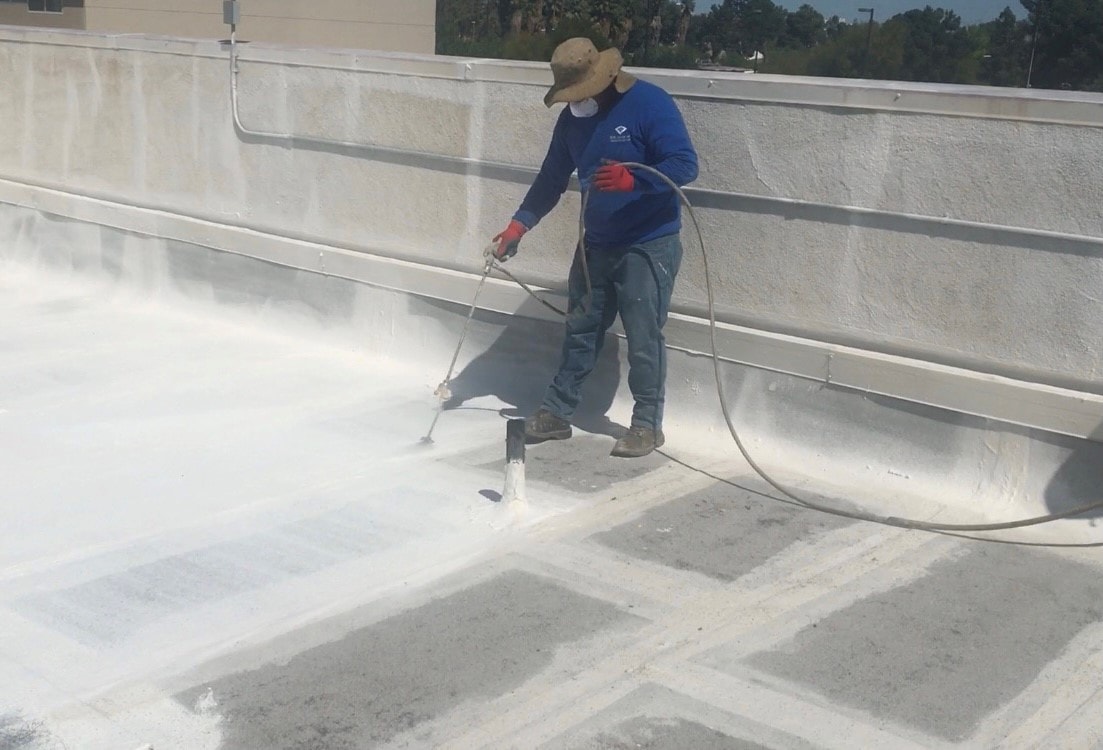
Commercial Roof Coatings in Tacoma, WA
Silicone and acrylic restoration coatings buy years on weather-tired single-ply, and in the South Sound's damp climate we time application to the rare dry windows so the film cures before the next front.
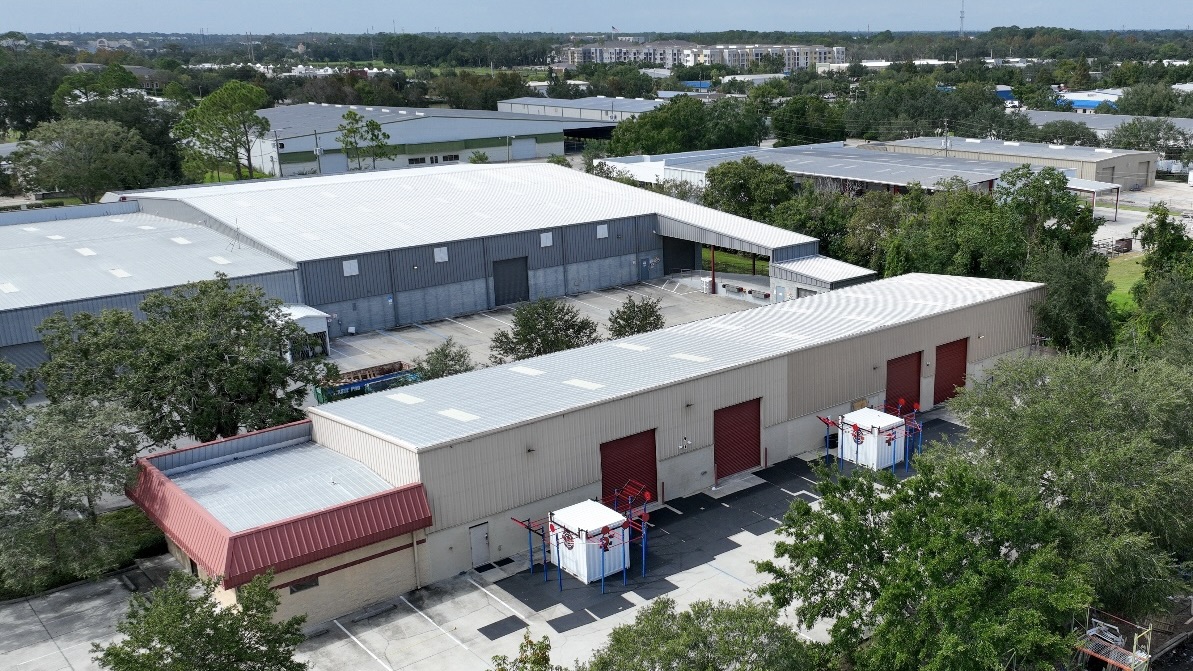
Commercial Roof Inspection in Tacoma, WA
A documented walk of seams, terminations, drains, and rooftop equipment gives Pierce County facility teams a defensible baseline; photos and a punch list separate cosmetic wear from the leaks that actually threaten the building.
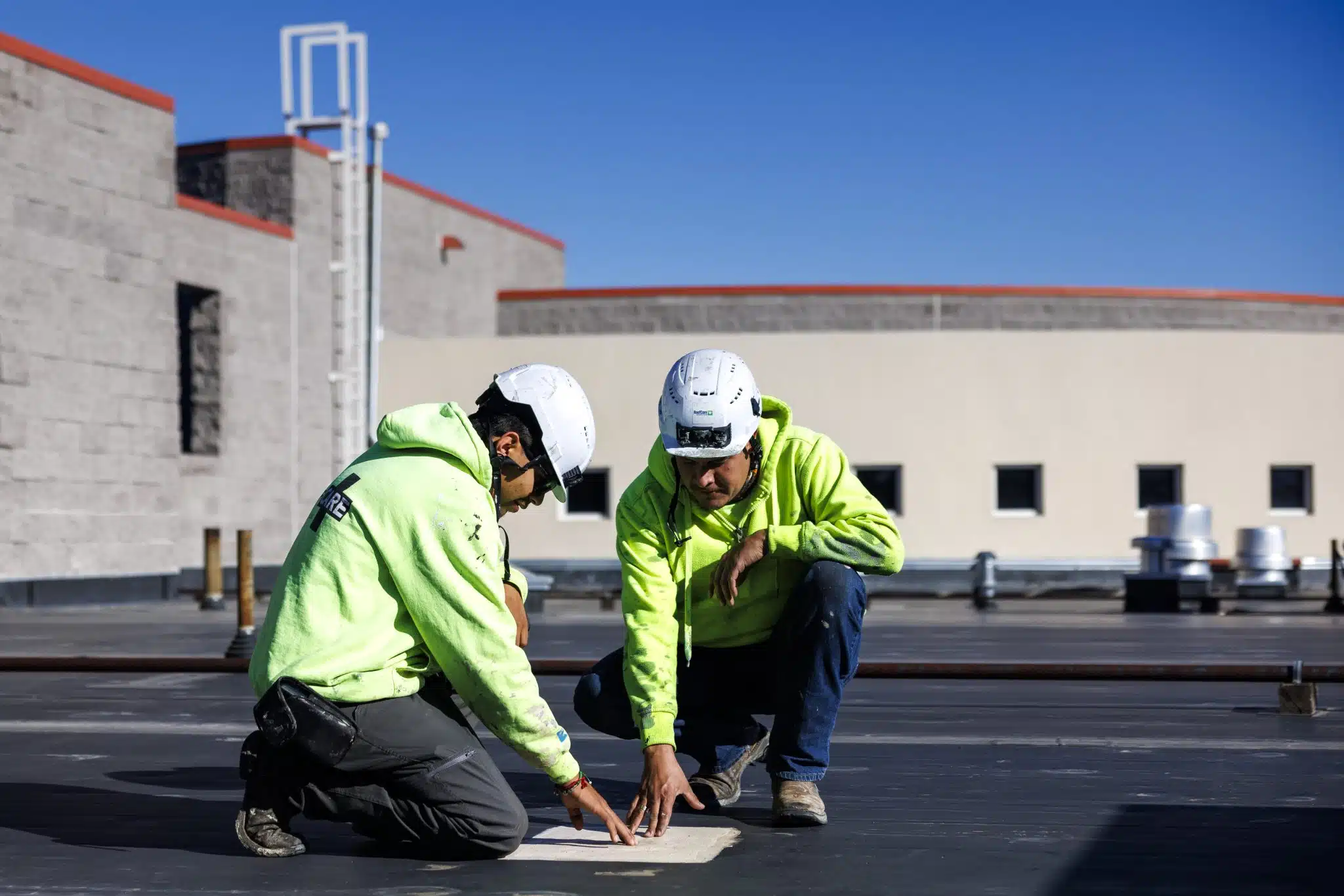
Preventive Roof Maintenance in Tacoma, WA
Twice-a-year drain clearing, seam checks, and debris removal head off most South Sound leaks; a maintenance program keeps small Tacoma roof problems from becoming the deck replacement nobody budgeted for.
Industrial Roofing in Tacoma, WA
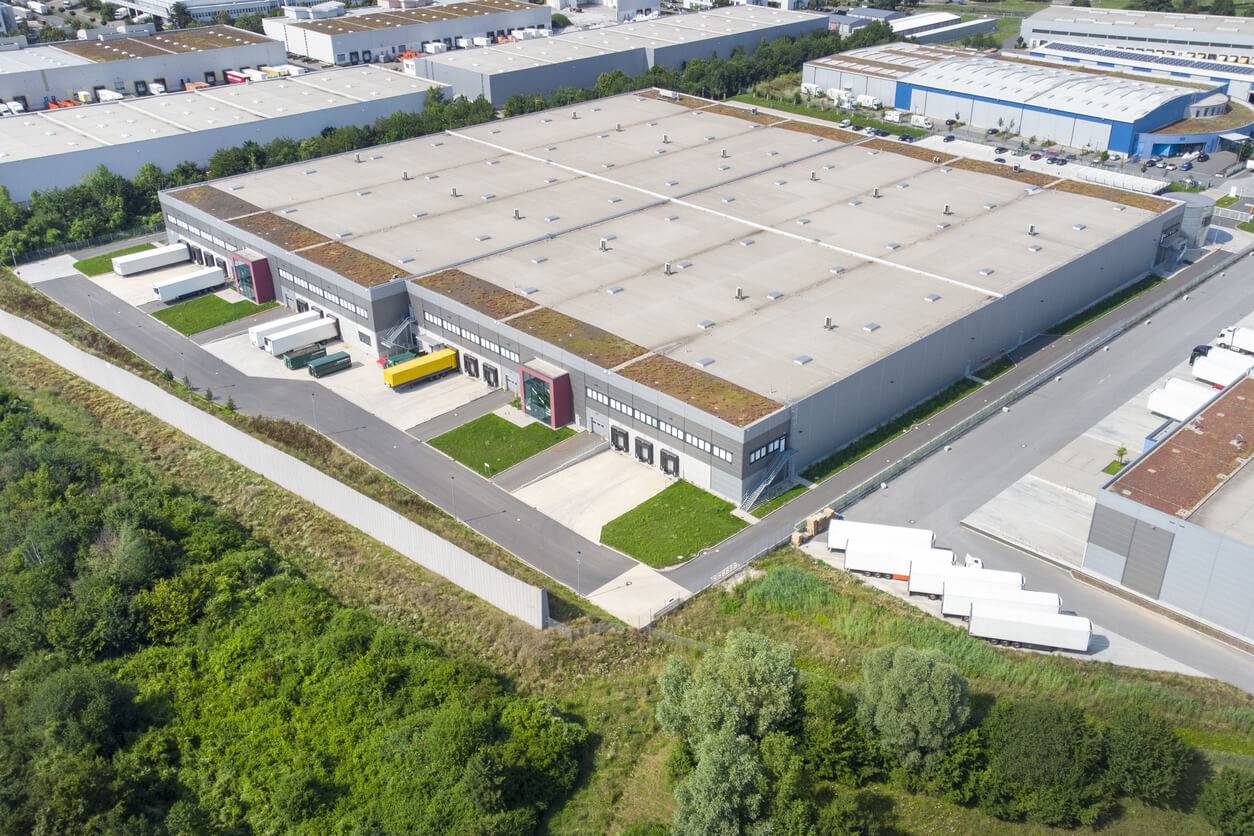
Process exhaust, heavy foot traffic, and large clear-span decks define Tacoma's industrial roofs; we plan around production schedules and protect membrane from the chemical and grease loads these plants put overhead.
Warehouse and Distribution Center Roofing in Tacoma, WA
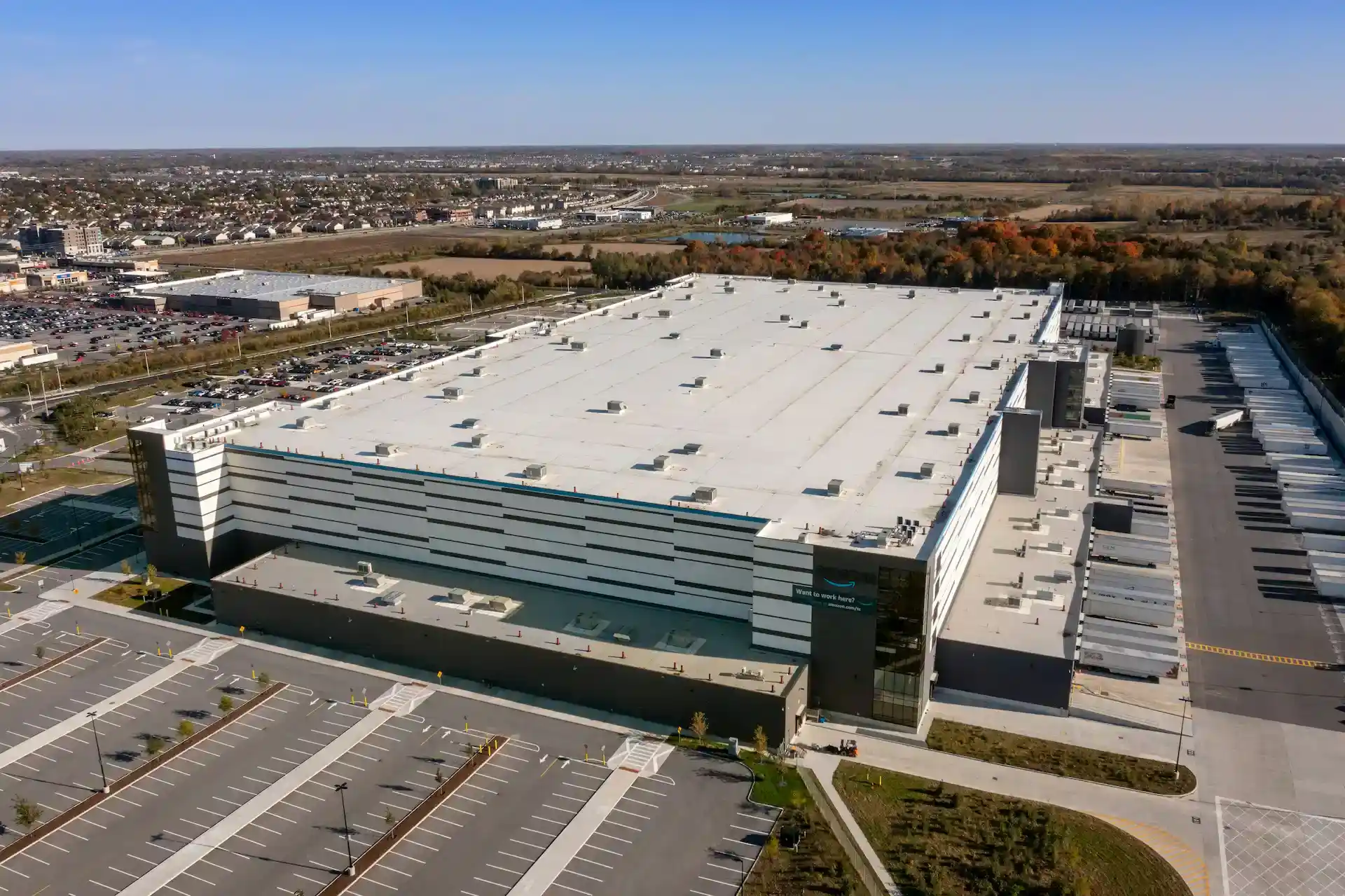
Acres of low-slope membrane over Tideflats distribution space live or die on drainage and seam integrity; we map ponding and reinforce seams so a warehouse roof keeps product dry across the rainy months.
Commercial Metal Roofing in Tacoma, WA
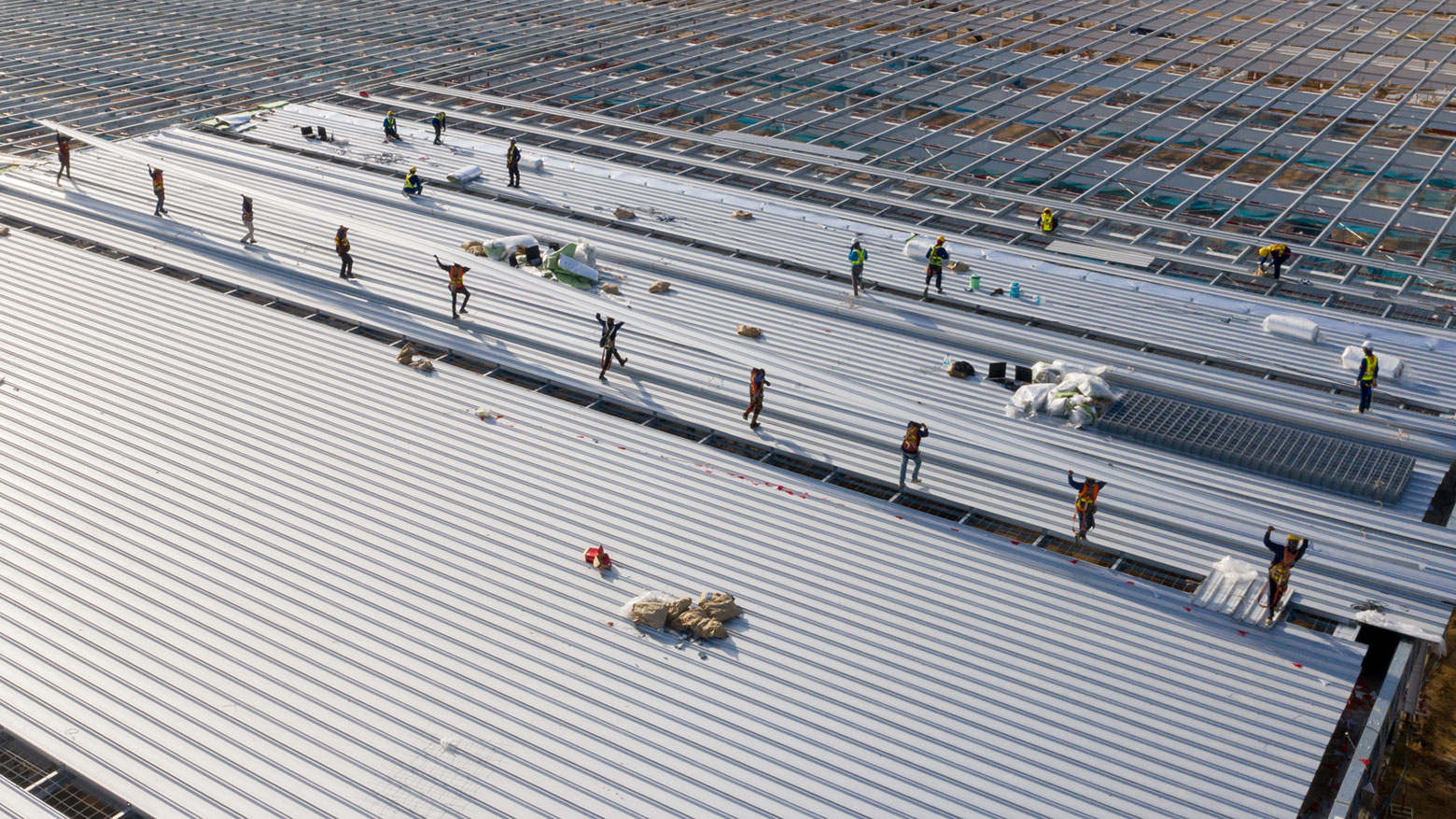
Standing-seam and structural panel systems shed Puget Sound rain fast, but fastener backout and galvanic corrosion near the saltier Tideflats air decide whether a metal roof reaches its rated life here.
Roof Drains and Scuppers in Tacoma, WA
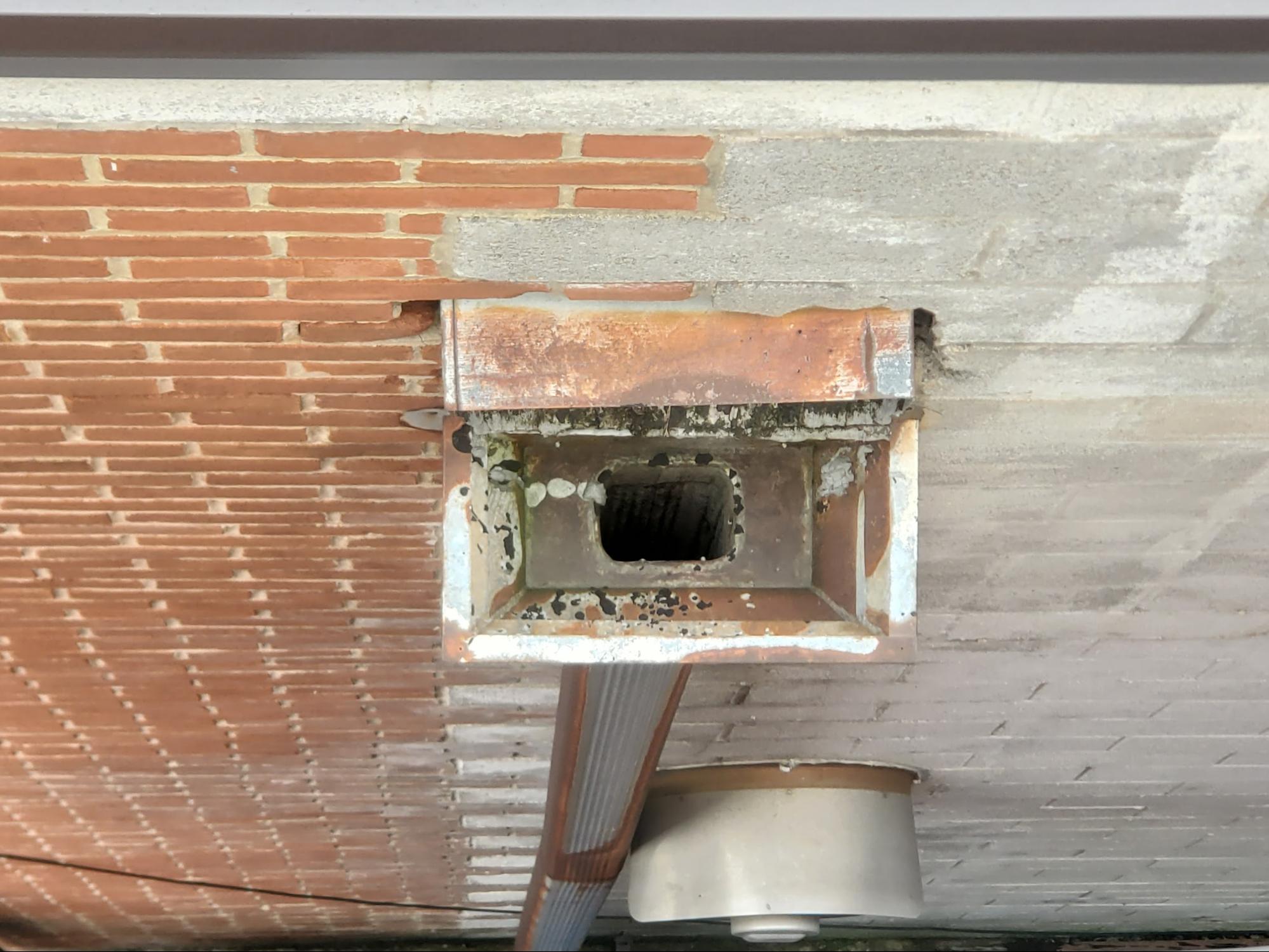
With the rain Tacoma gets, drainage is the roof; we clear, repair, and add primary and overflow drains and scuppers so water leaves a low-slope deck fast instead of ponding and finding a seam.
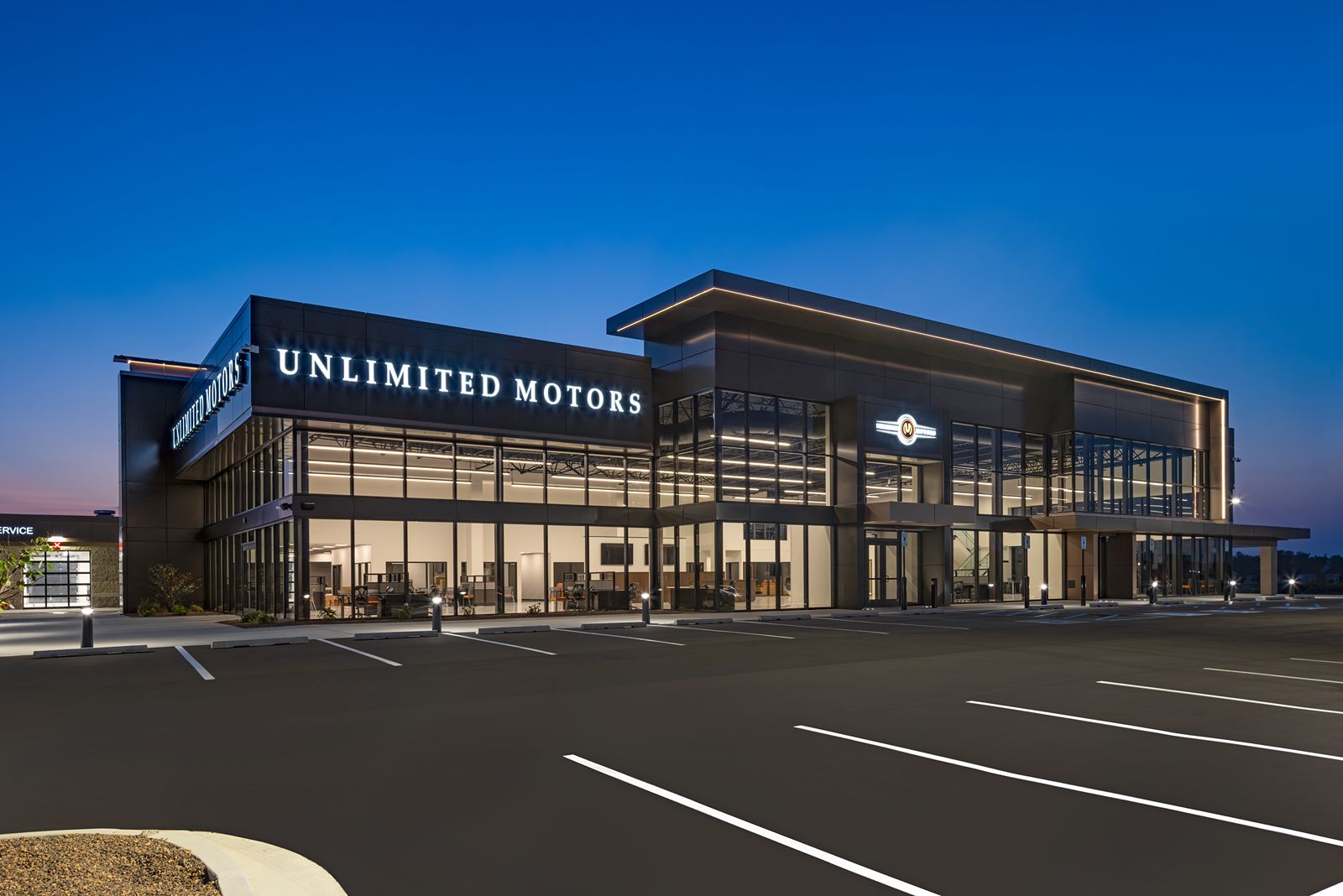
Auto Dealership Roofing in Tacoma, WA
Showroom glass, service-bay exhaust curbs, and customer canopies each meet the roof differently, so dealership work in Tacoma is sequenced to keep sales floors dry and lifts running through Pierce County's long wet season.
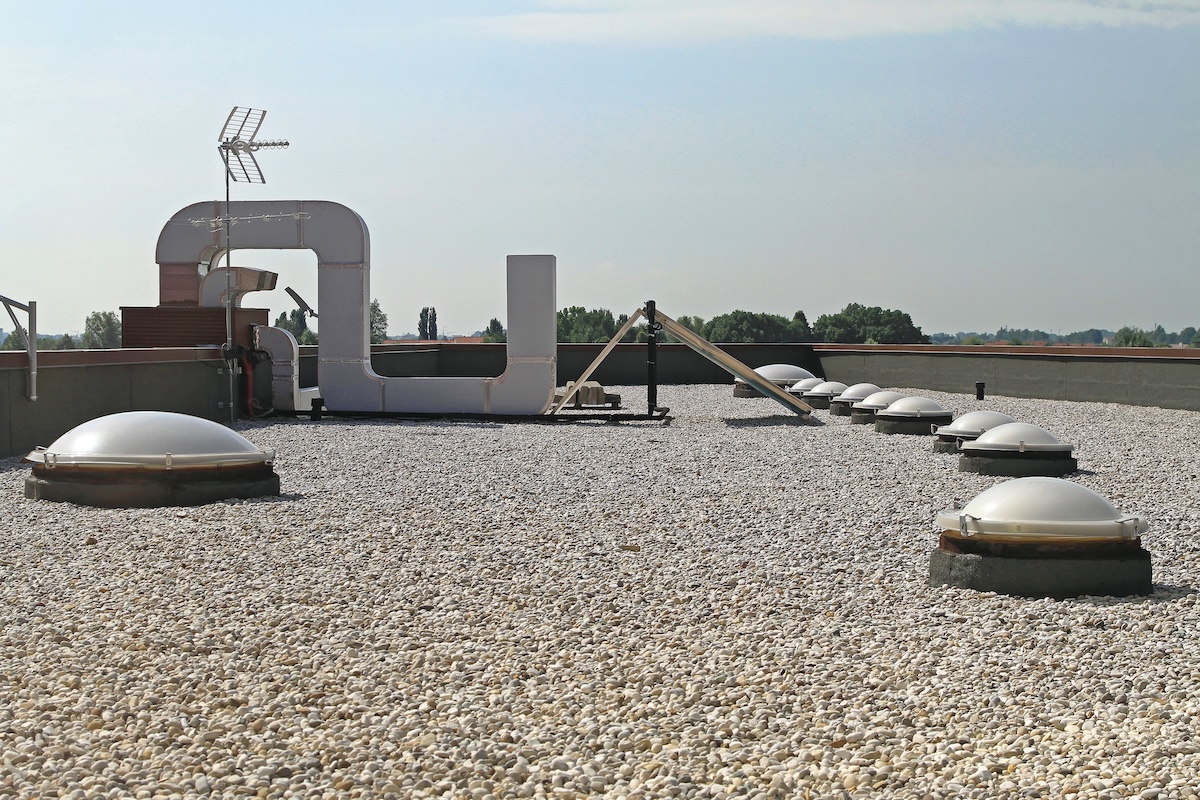
Built-Up Roofing in Tacoma, WA
Multi-ply asphalt and gravel BUR still earns its place on older South Sound industrial decks; we assess ply adhesion, flood-coat wear, and blister patterns before deciding between targeted repair and a full rebuild.
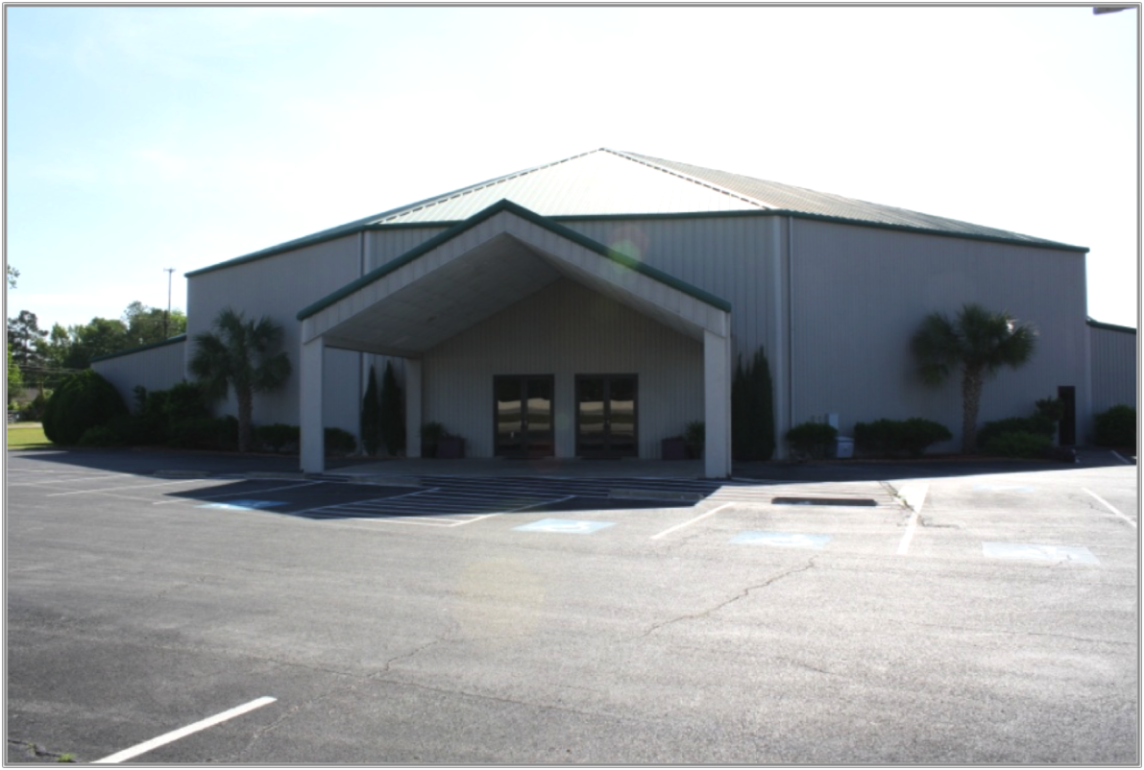
Church and Religious Building Roofing in Tacoma, WA
Steeples, bell towers, and wide sanctuary spans collect Tacoma's steady rain in ways that strain aging flashings; congregation roofs get scheduled around services and weekday programs so worship never stops.
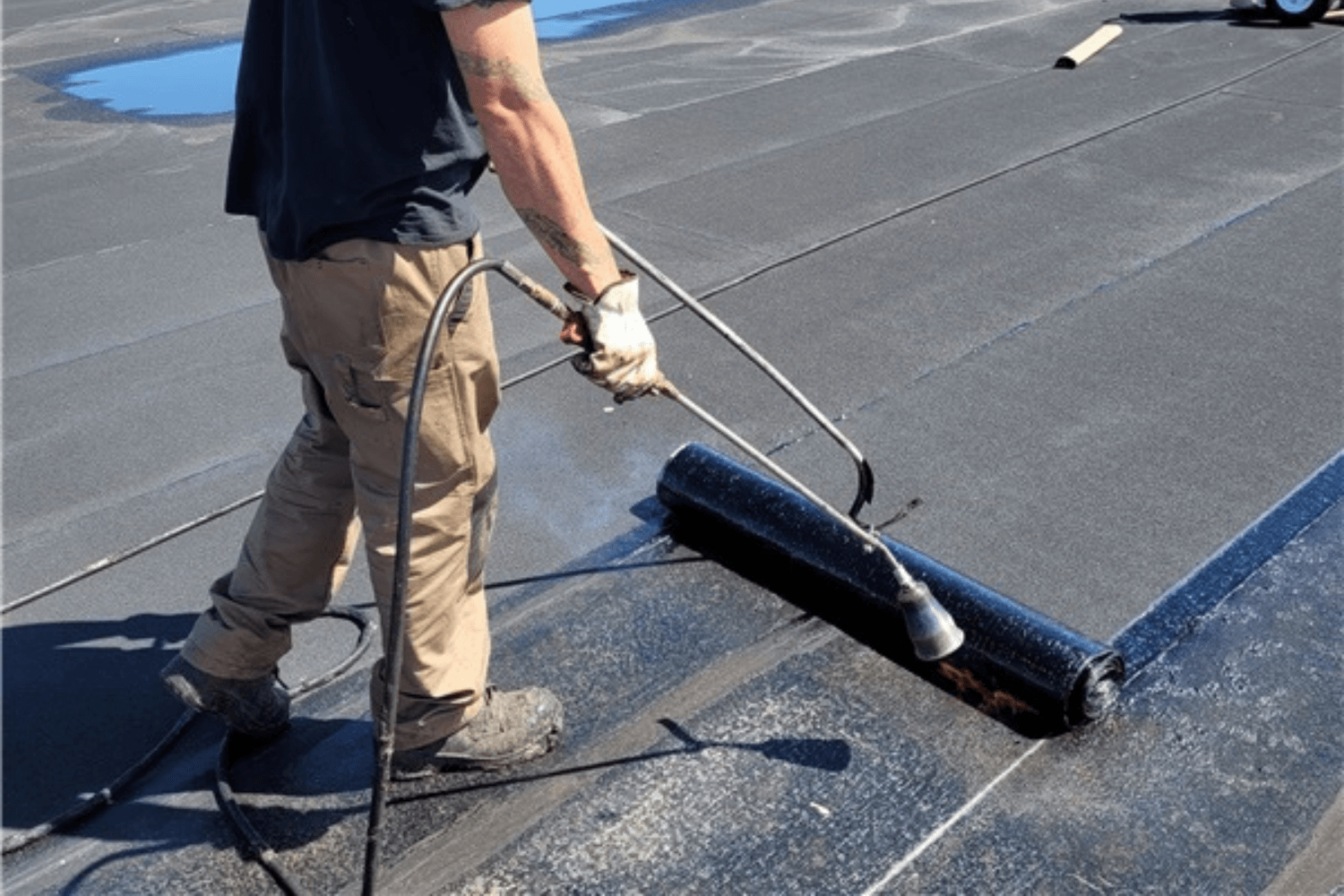
Commercial Roofing in Tacoma, WA
From flat membrane warehouses on the Tideflats to mixed-use blocks downtown, commercial roofing in Tacoma spans repair, replacement, coatings, and planning, each matched to the building's age, use, and budget cycle.
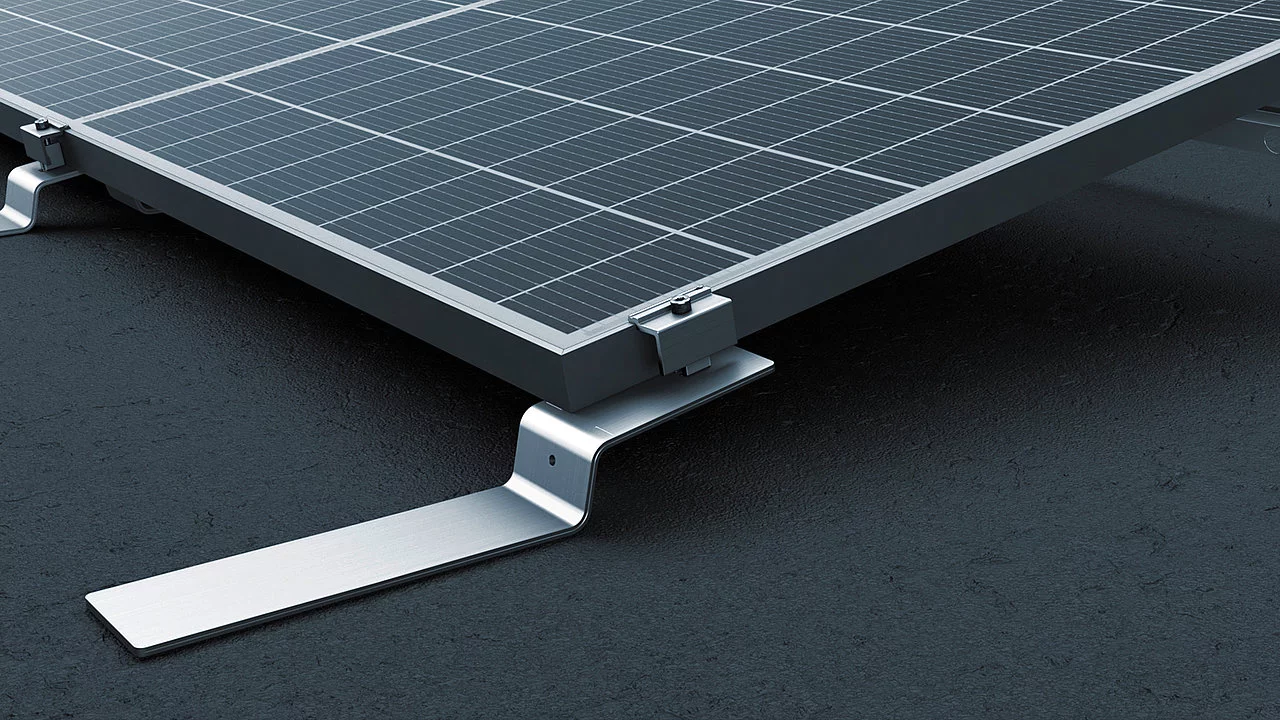
Commercial Solar Roof Integration in Tacoma, WA
Adding panels to a South Sound roof means coordinating attachments, ballast, and warranty so the array doesn't void the membrane; we plan penetrations and walkpads before the racking ever goes down.
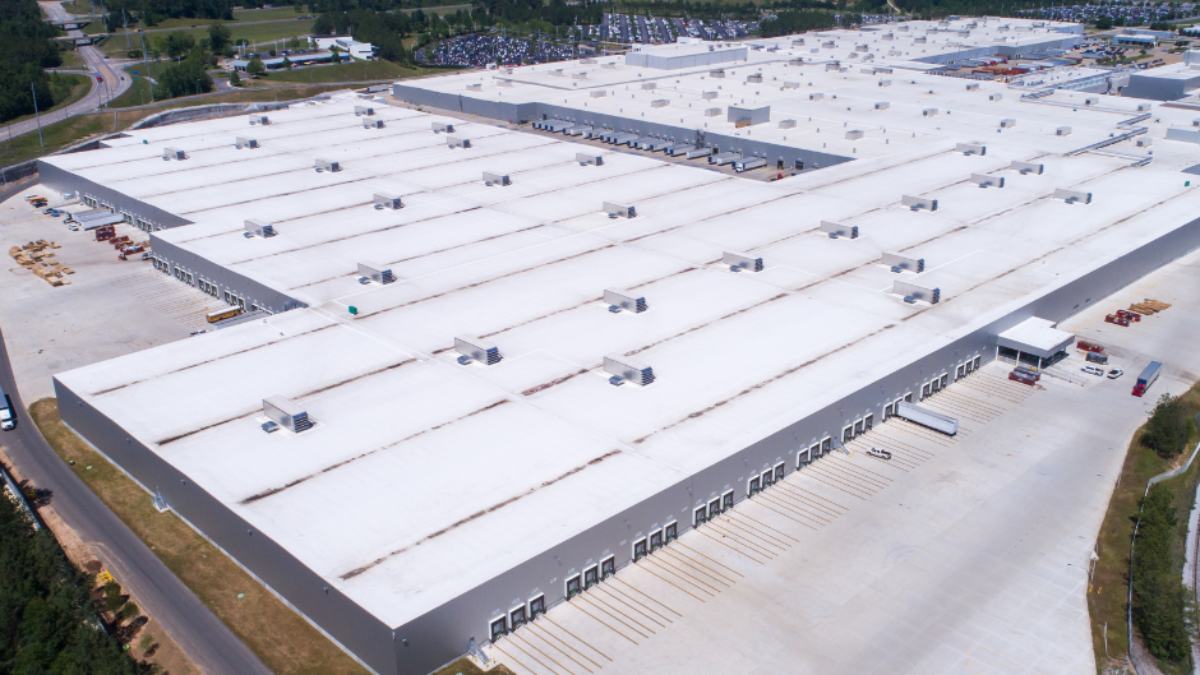
Drone Roof Inspection & Aerial Thermal Imaging in Tacoma, WA
Aerial imaging covers steep, fragile, or sprawling South Sound roofs without putting crews on a slick surface, capturing overall condition and problem zones before anyone commits to a full physical survey.
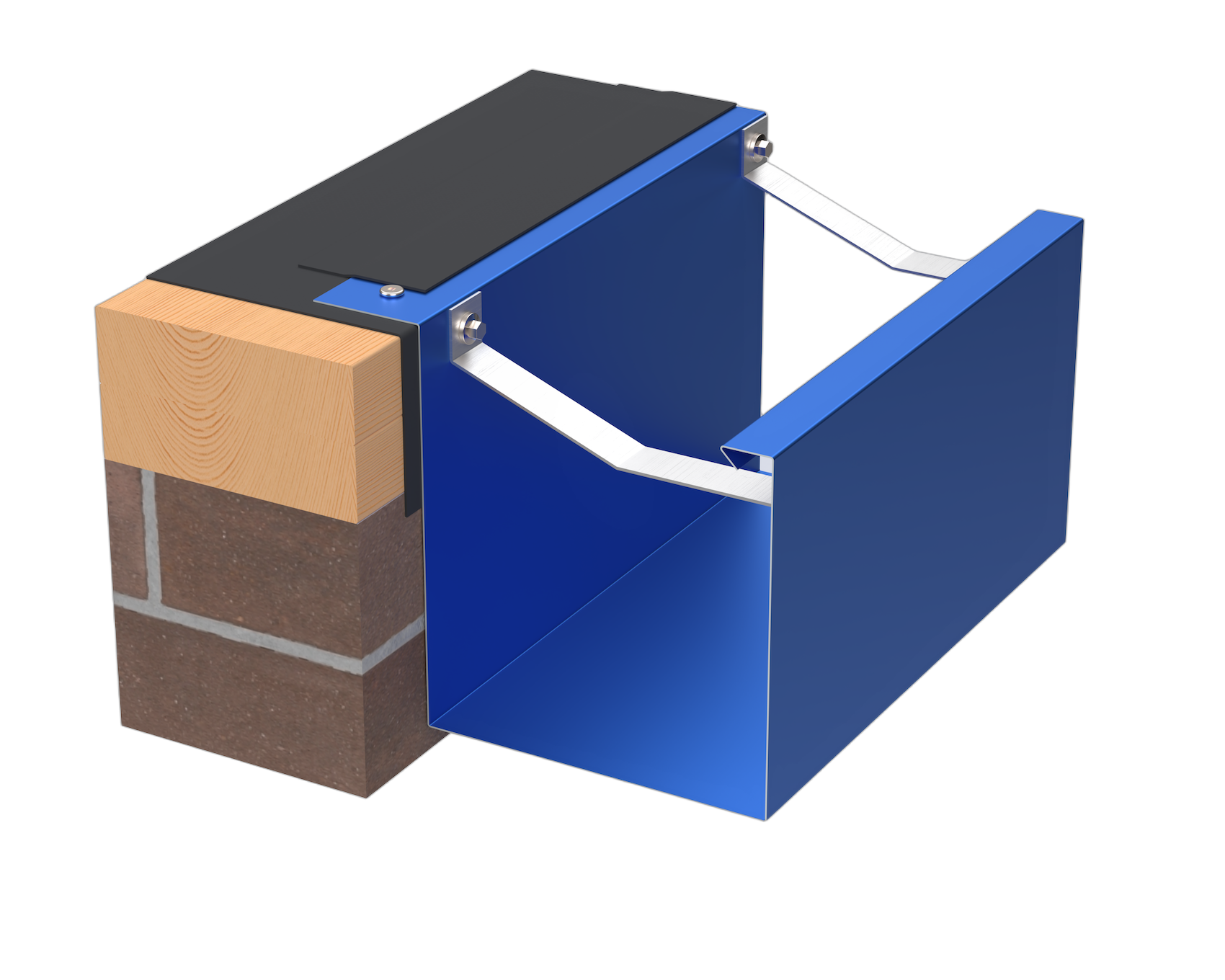
Edge Metal Coping and Gutters in Tacoma, WA
Perimeter metal is where Tacoma's wind-driven rain pries first; properly cleated coping, drip edge, and gutters keep water off the wall line and out from under the membrane at the roof's most exposed edge.
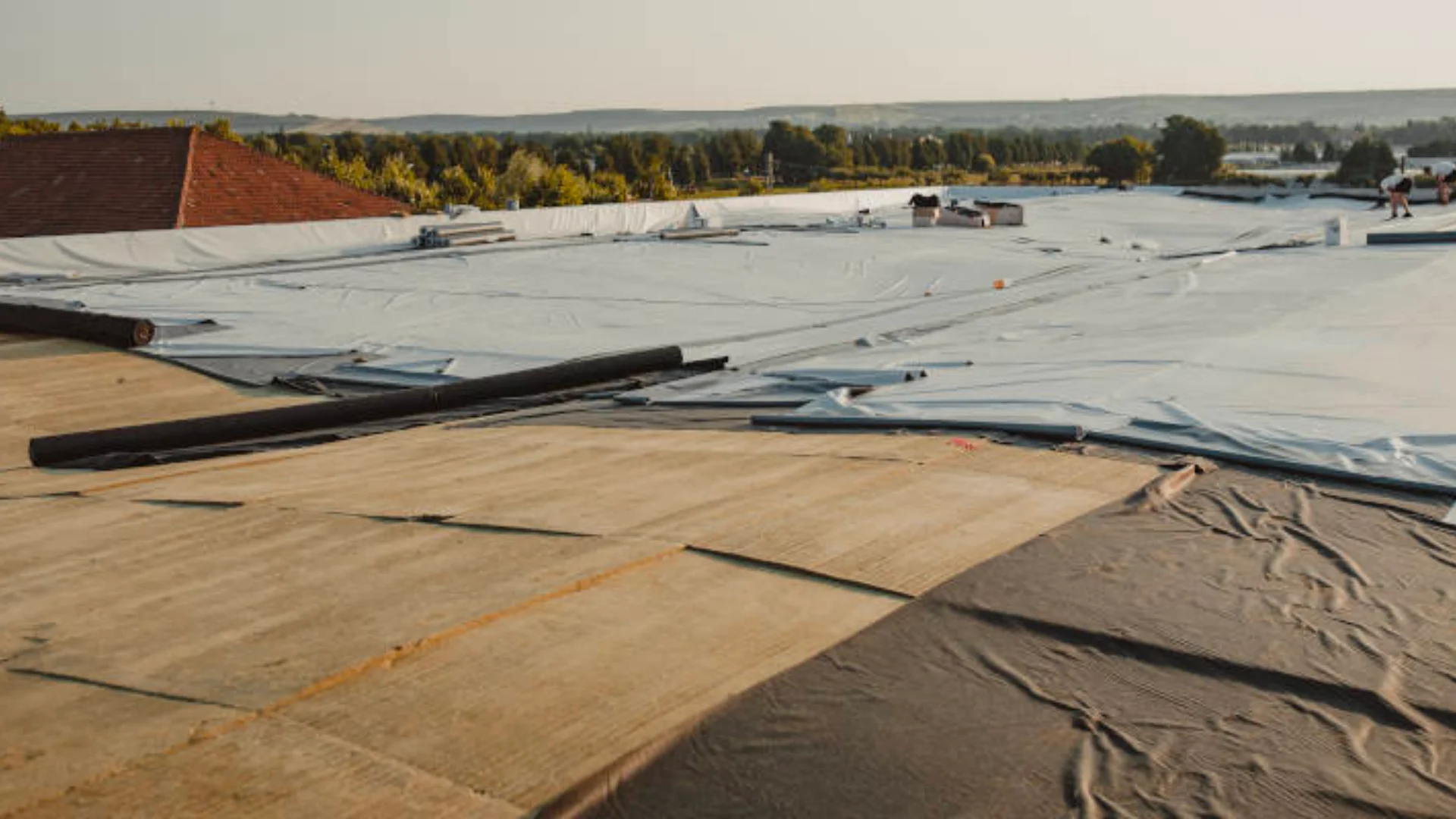
Emergency Dry In Tarping in Tacoma, WA
When a Puget Sound storm opens a roof mid-season, a fast, well-ballasted dry-in stops interior damage and protects inventory while a permanent repair is scoped, scheduled, and sourced.
EPDM Roofing in Tacoma, WA
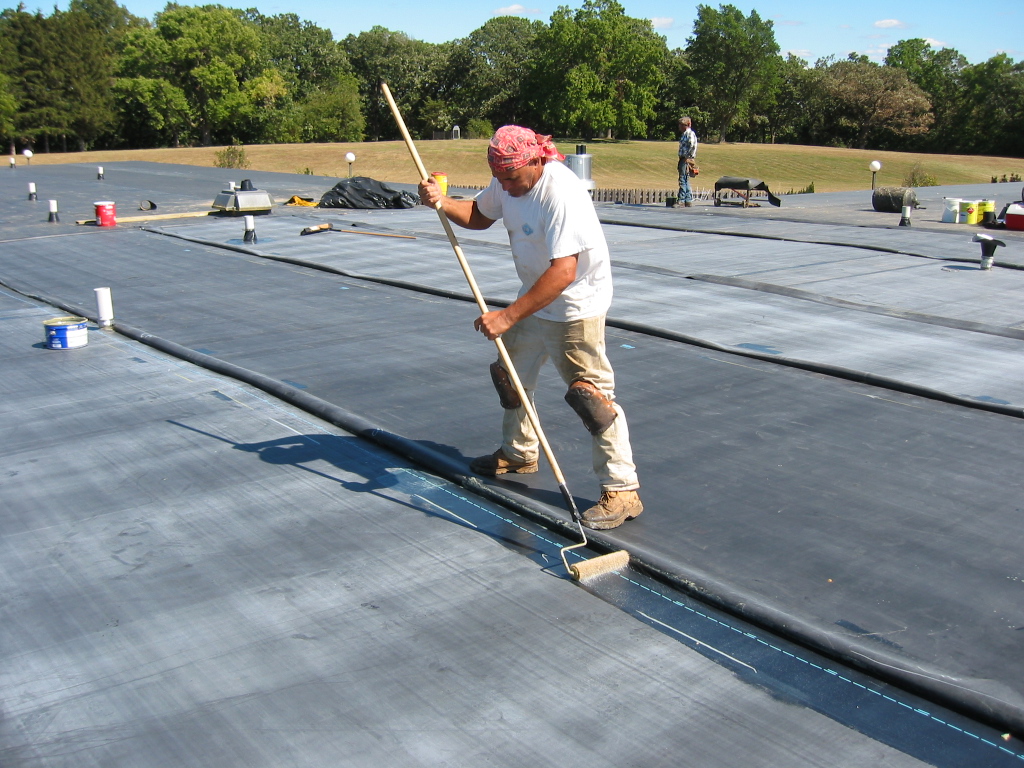
Black EPDM rubber holds up well under Tacoma's cool, overcast skies and handles thermal cycling with few seams; we focus on seam tape condition and well-detailed penetrations to keep these membranes watertight.
Government and Municipal Building Roofing in Tacoma, WA
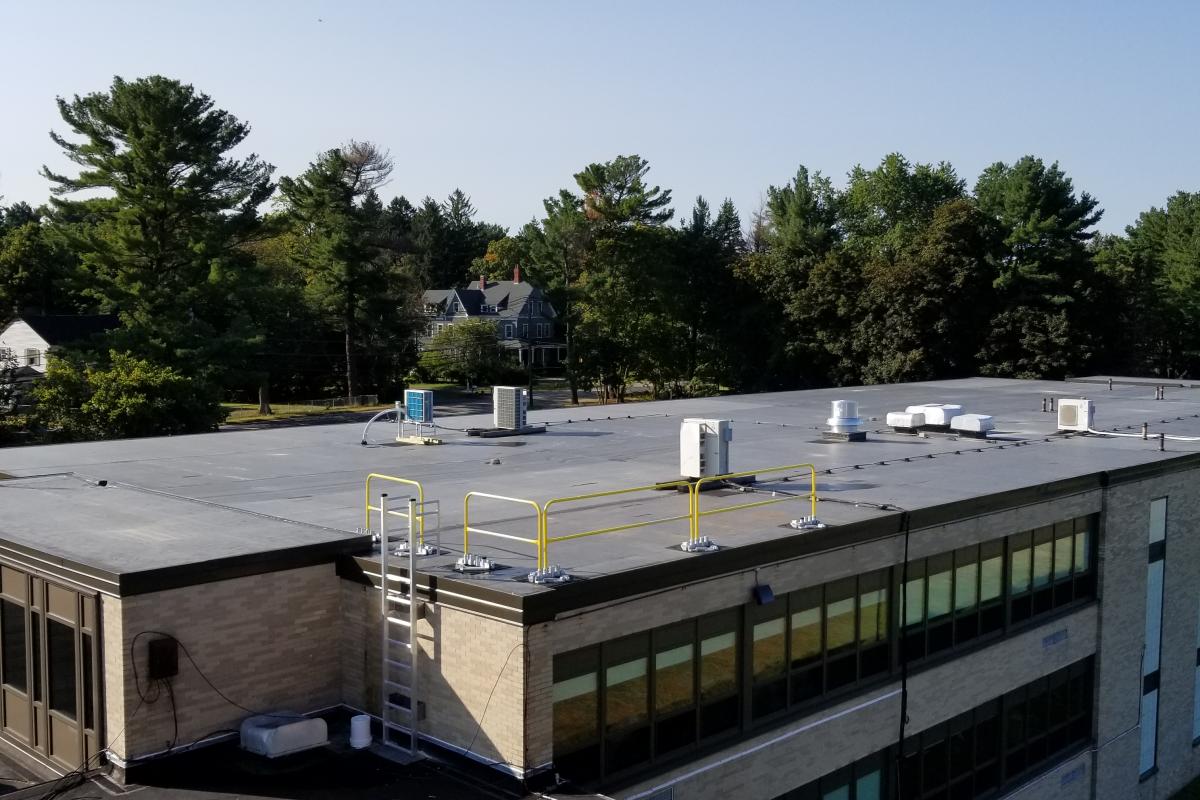
Public buildings across Pierce County demand documented scope, prevailing-wage compliance, and minimal disruption to services; roof work here is planned around occupied offices, security, and procurement rules.
Healthcare Facility Roofing in Tacoma, WA
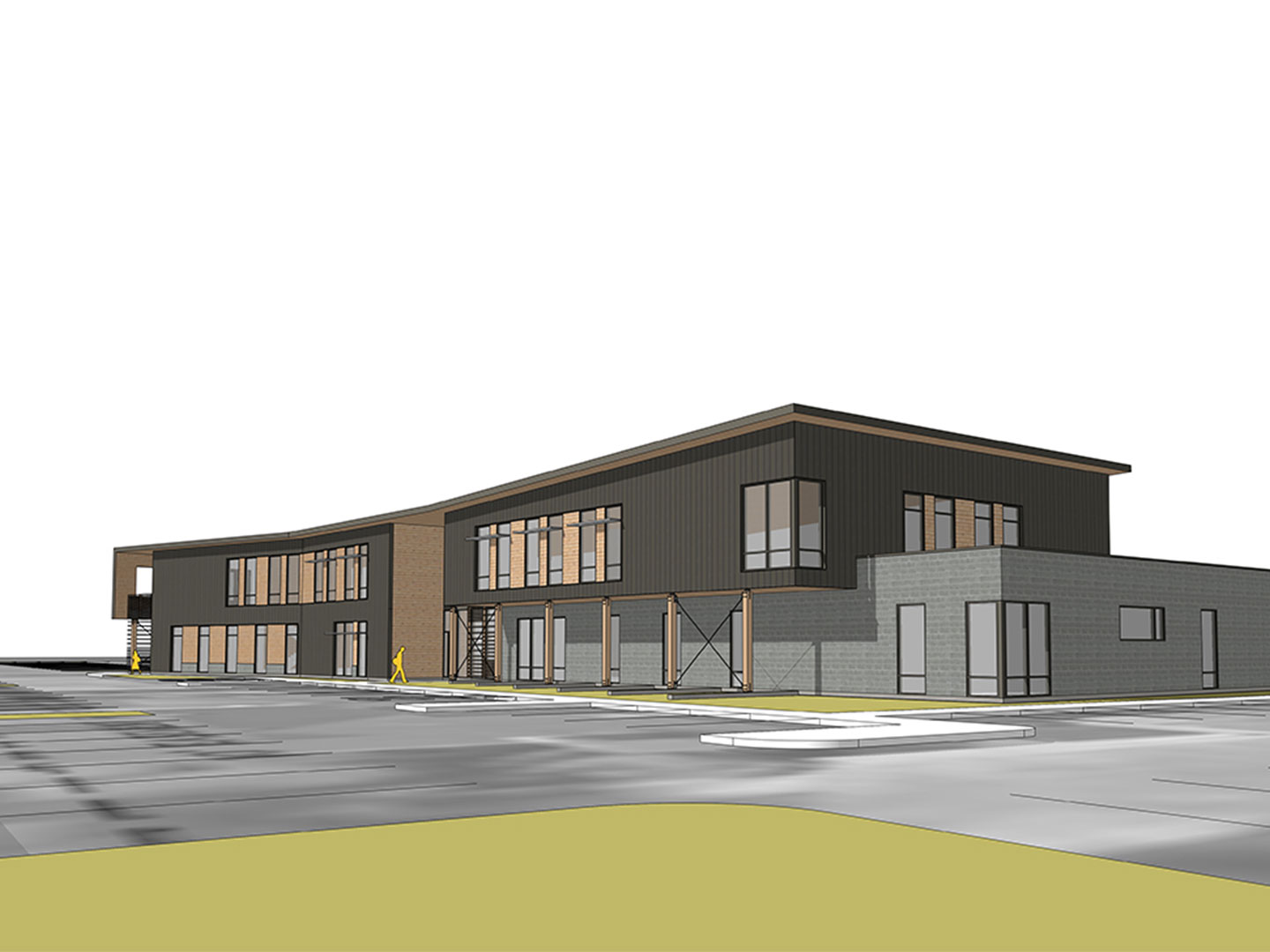
Clinics and hospitals can't tolerate leaks over sterile space or a noisy tear-off near patient rooms, so Tacoma healthcare roofing is staged with infection-control barriers, vibration limits, and protected air intakes.
Hotel and Hospitality Property Roofing in Tacoma, WA
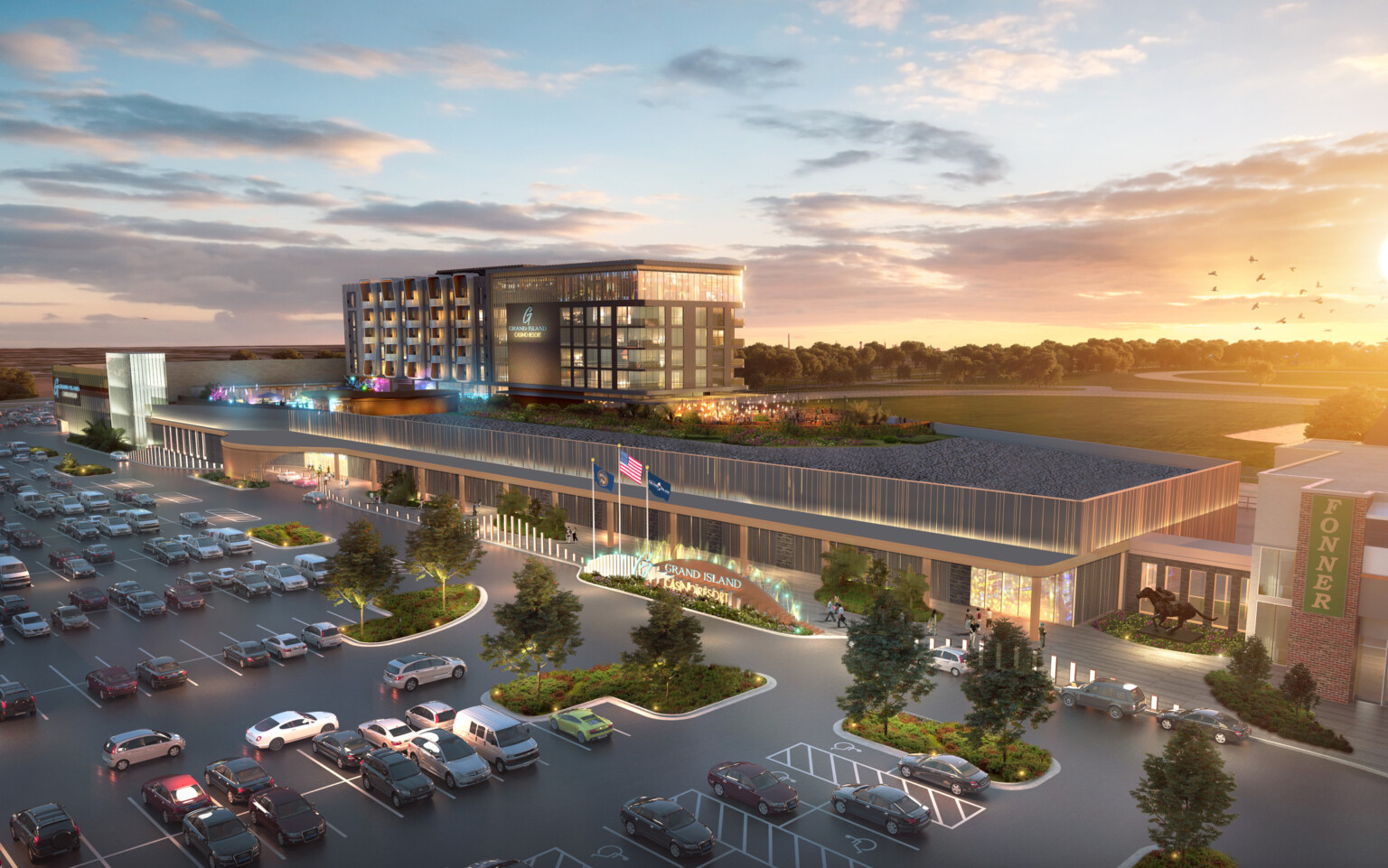
Guest comfort drives hospitality roofing in the South Sound; work over occupied floors is sequenced for noise and odor control while rooftop HVAC and amenity decks stay serviceable through the stay.
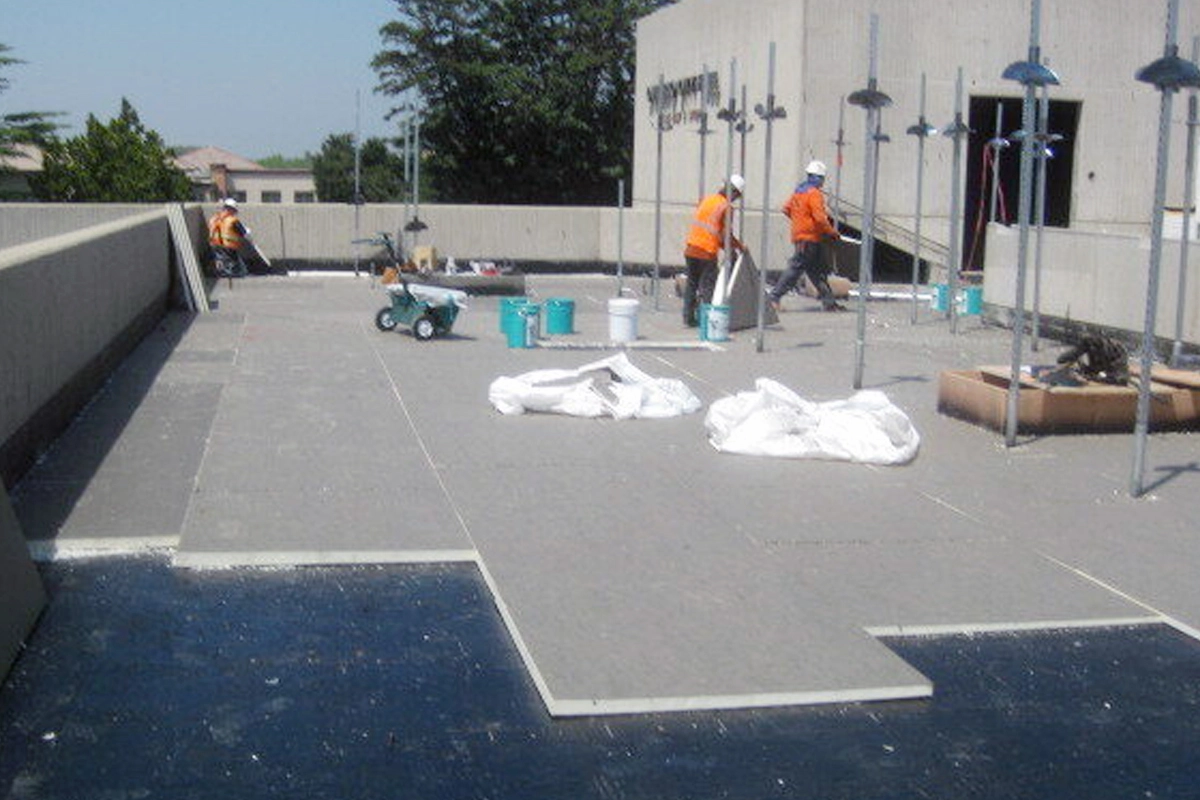
Insulation and Recovery Board in Tacoma, WA
Wet insulation under a South Sound roof quietly drives up heating bills and rots the deck; we core-test for saturation and rebuild the insulation and cover board so the new membrane sits on a dry, stable base.
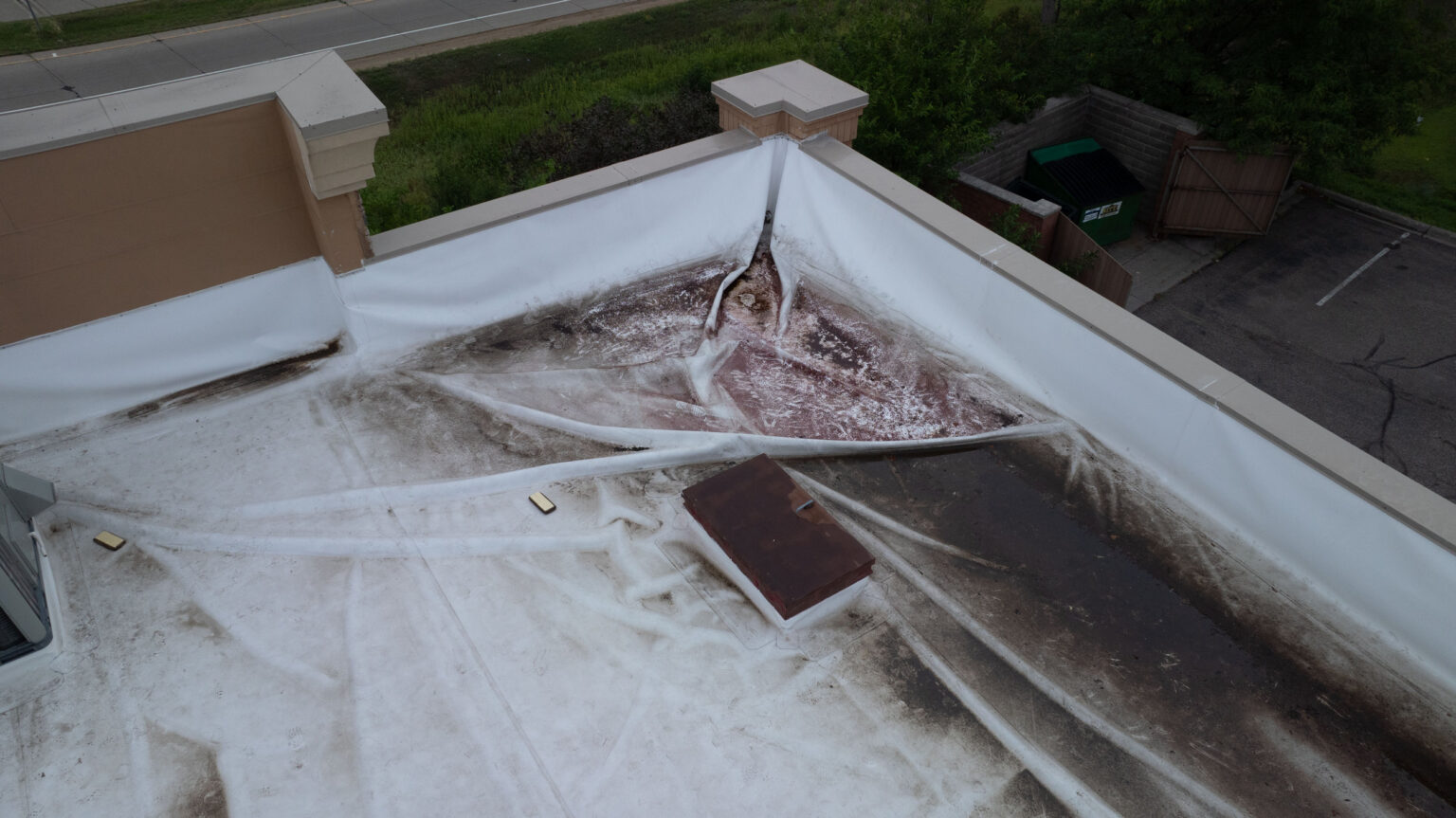
Insurance Claim Documentation in Tacoma, WA
After a Pacific Northwest windstorm, a clean record of damage decides a claim; we photograph, measure, and map storm impact so Tacoma owners can substantiate loss instead of arguing it.
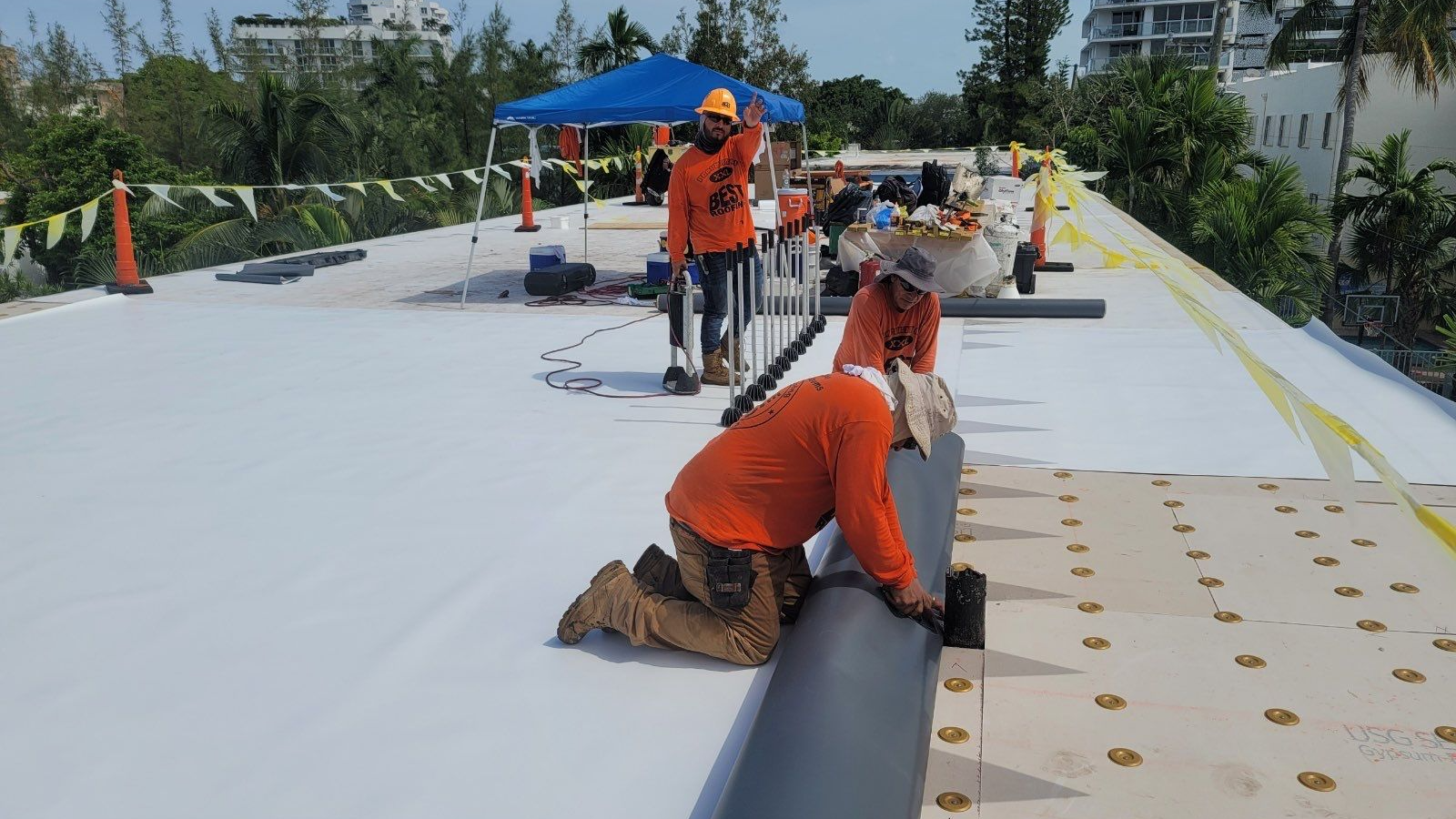
KEE Single-Ply Roofing in Tacoma, WA
KEE membranes resist the greases and chemical fallout common around Tacoma food and industrial plants, staying flexible in cool weather where lesser thermoplastics stiffen and crack at the seams.
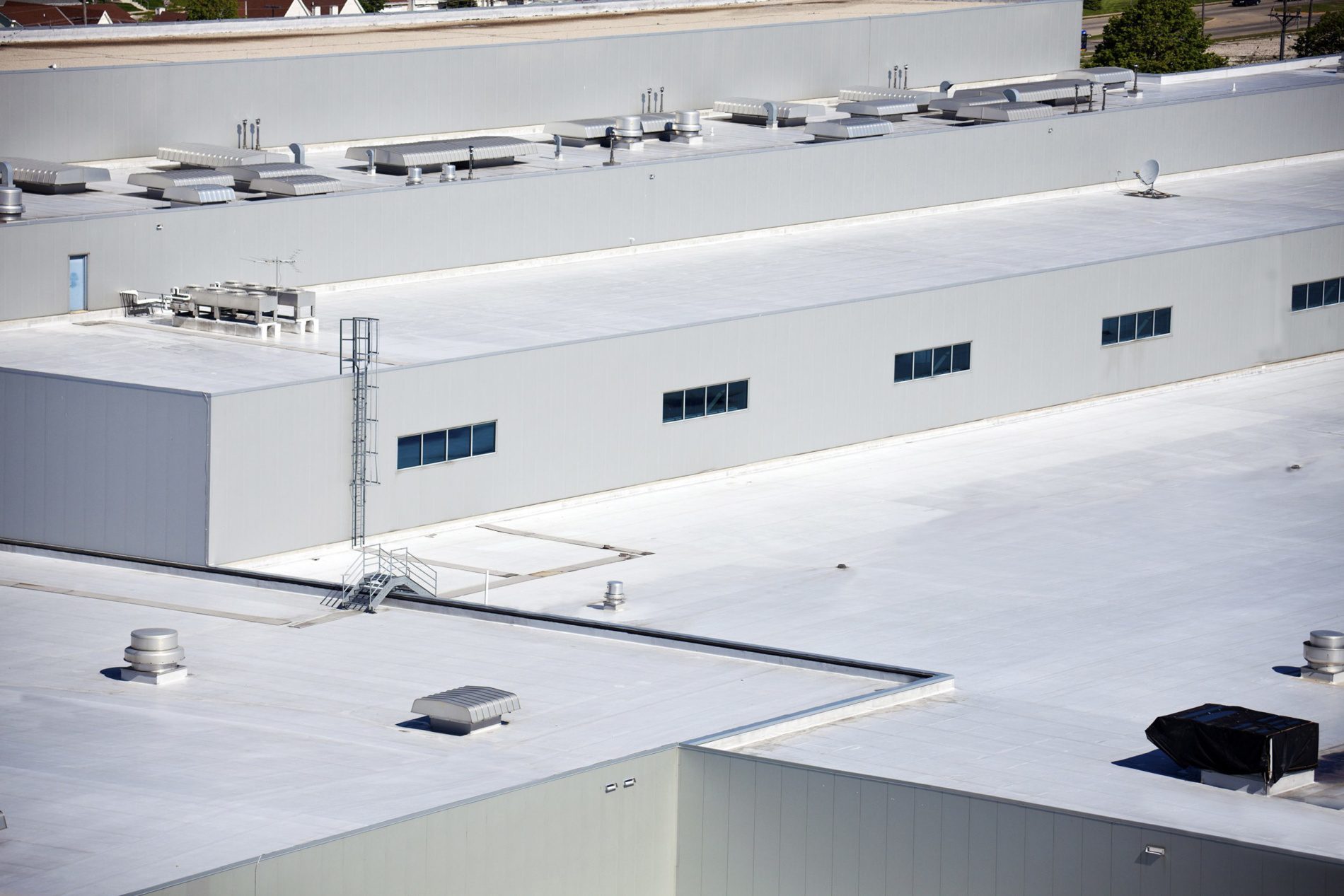
Manufacturing Facility Roofing in Tacoma, WA
Roofs over South Sound production lines carry constant exhaust, vibration, and rooftop loads; we coordinate tie-ins and tear-off around shifts so the membrane gets replaced without stopping the plant.
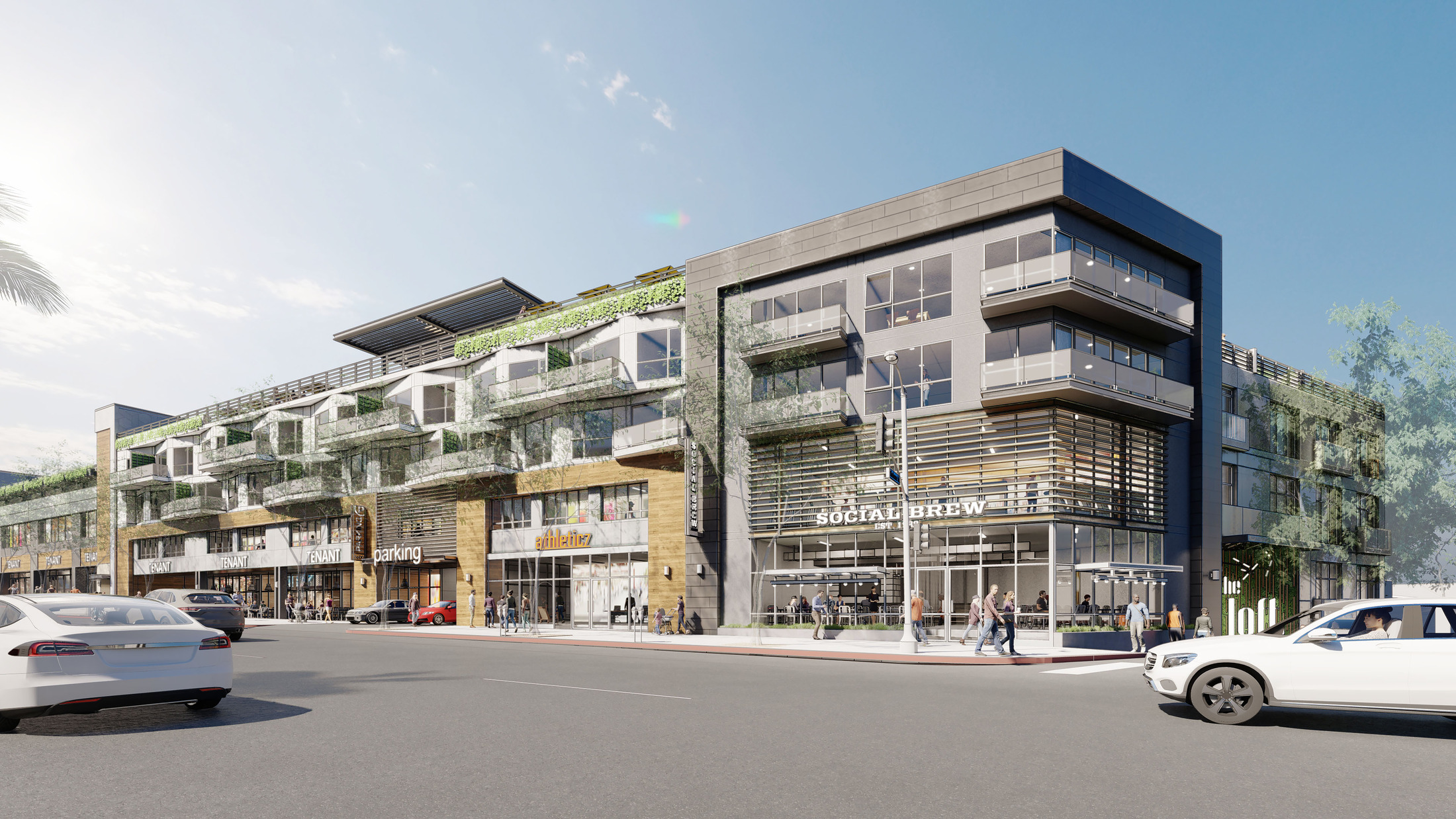
Mixed-Use Development Roofing in Tacoma, WA
Ground-floor retail under apartments means a leak hits a tenant's livelihood, so mixed-use roofing in Tacoma is detailed for tight penetrations, amenity decks, and the noise limits that come with people living above.
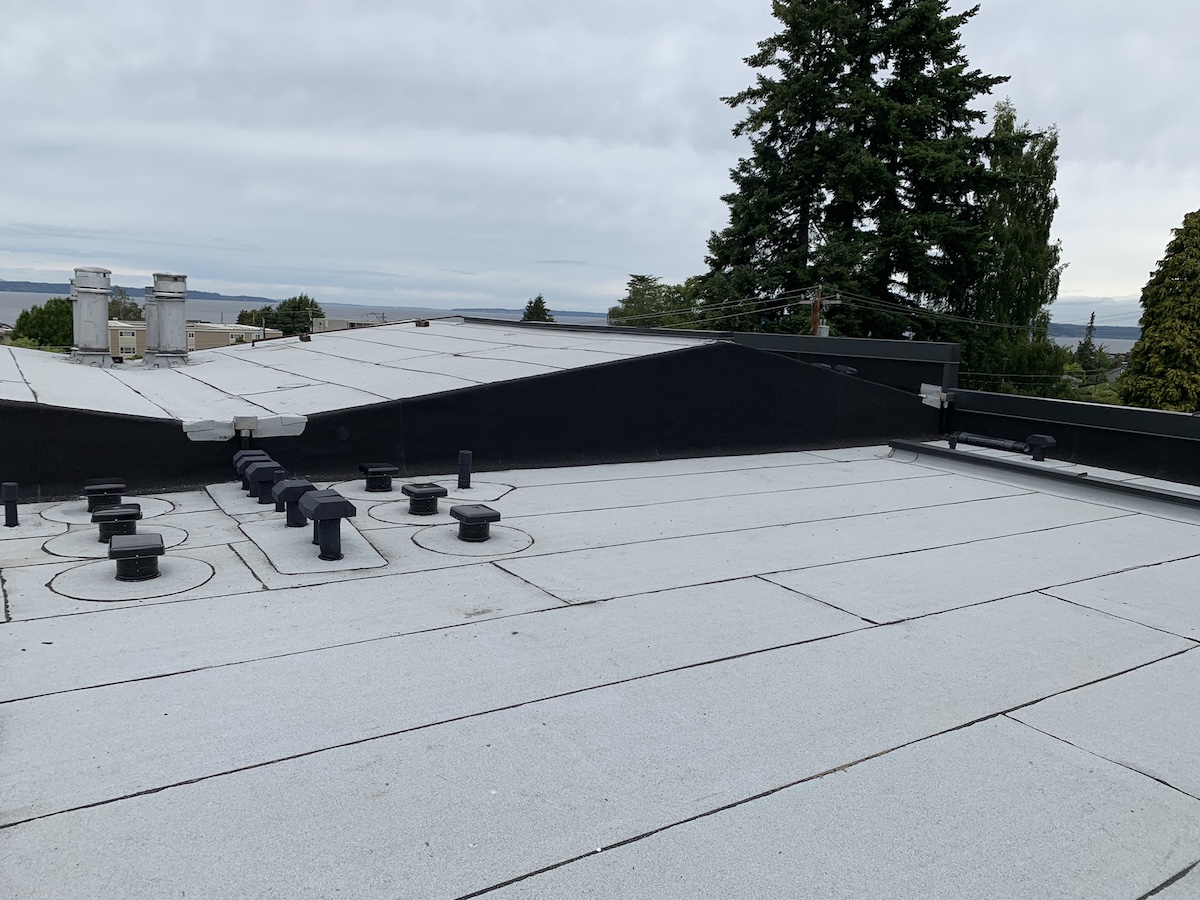
Modified Bitumen Roofing in Tacoma, WA
Torch- and cold-applied modified bitumen gives a tough, multi-layer surface that stands up to maintenance foot traffic on Tacoma rooftops; we verify granule wear and seam laps before recommending recoat or replacement.
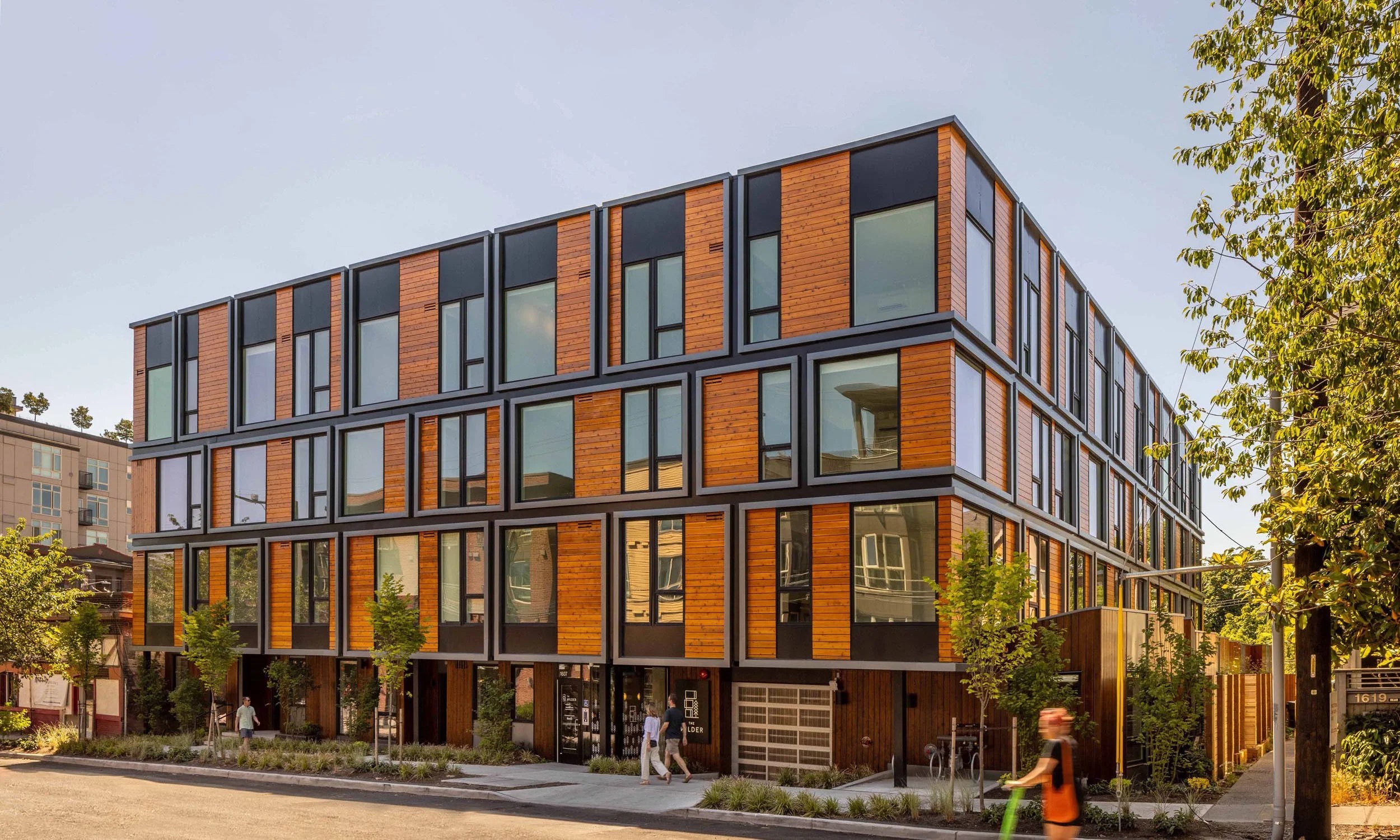
Multifamily and Apartment Building Roofing in Tacoma, WA
Apartment and condo roofs in the South Sound balance resident schedules, board budgets, and the realities of working over occupied units; phasing and clear notice keep a reroof from becoming a tenant complaint.
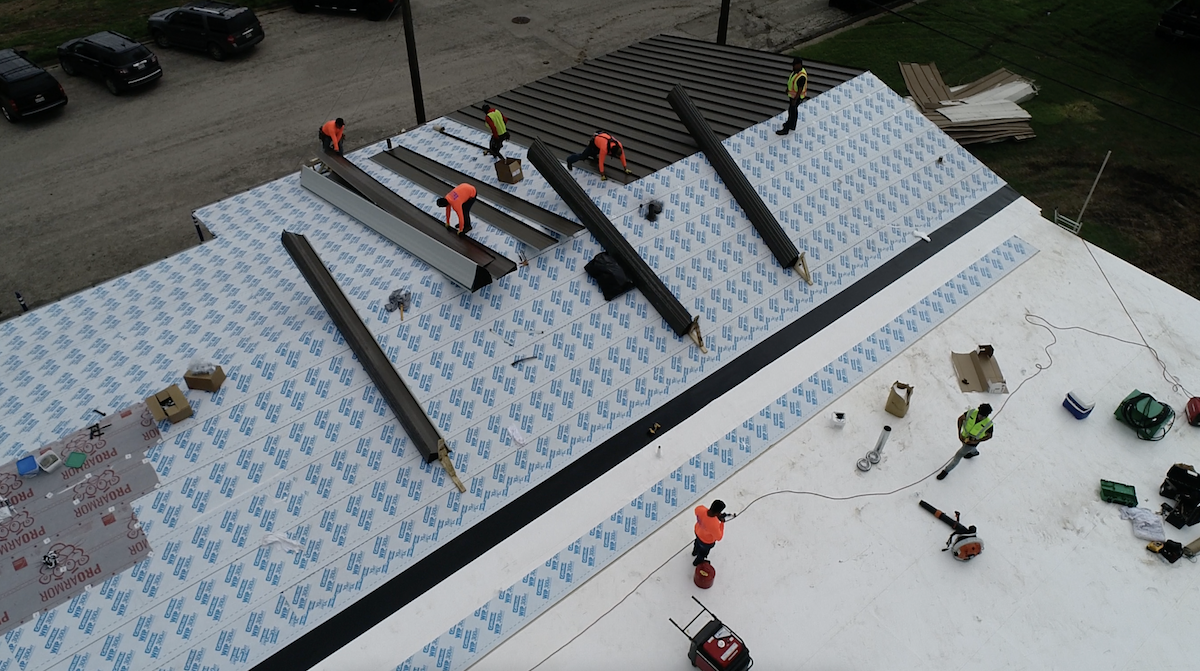
Occupied Building Re-Roofing in Tacoma, WA
Replacing a roof while a Tacoma building stays open takes daily dry-in, controlled staging, and dust protection so business carries on below while the new system goes down in manageable sections overhead.
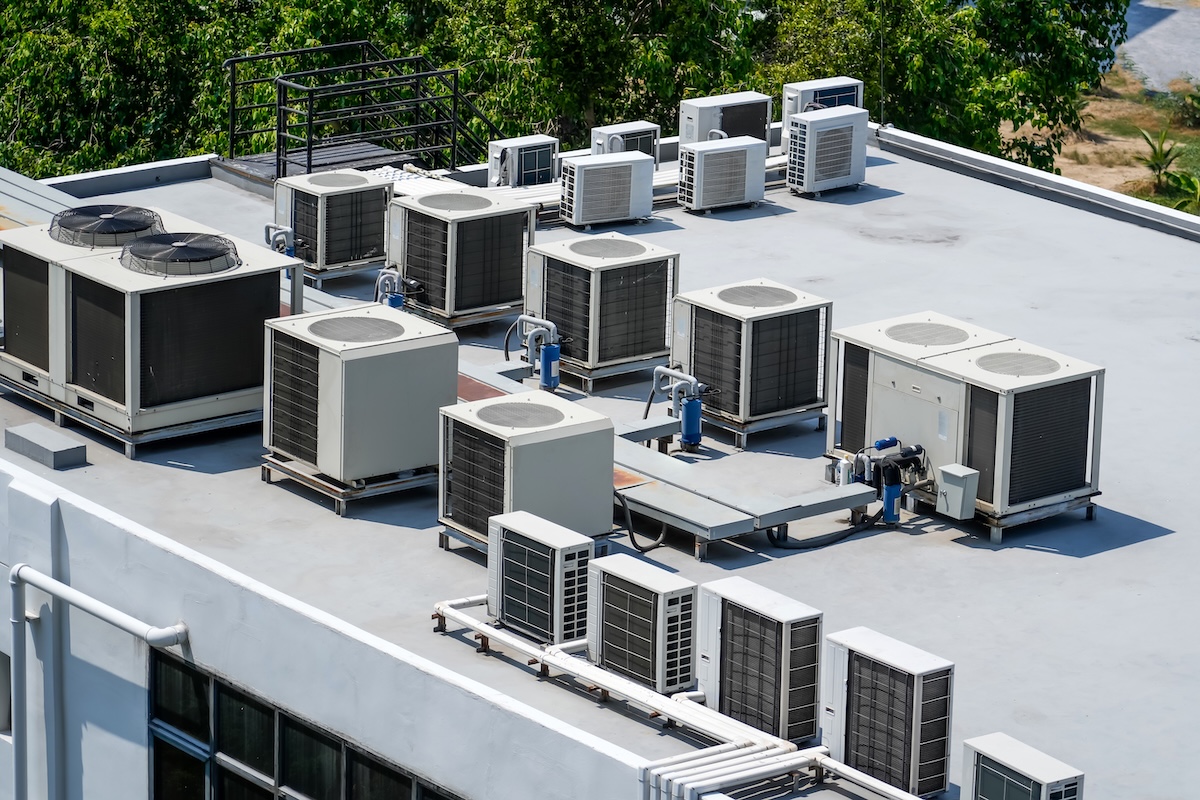
Office Building Roofing in Tacoma, WA
Office roofs over downtown Tacoma carry dense HVAC, conduit, and data infrastructure; we plan tear-off and tie-ins around the workday so tenants keep working while penetrations and curbs are reflashed correctly.
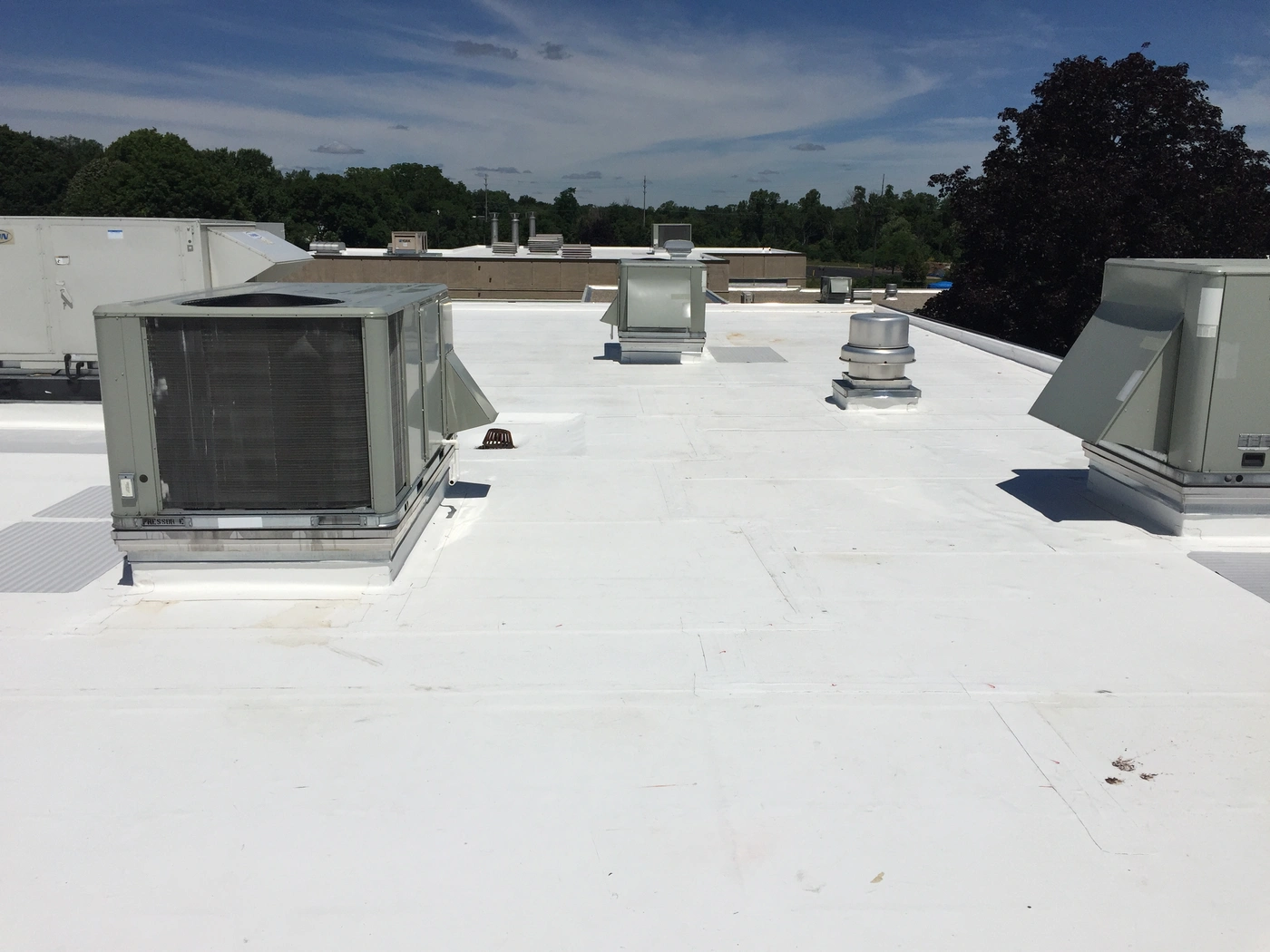
PVC Roofing in Tacoma, WA
Heat-welded PVC seams give a monolithic, chemical-resistant surface that suits Tacoma restaurants and plants with greasy exhaust; the welds, not adhesives, are what keep these roofs dry for the long haul.
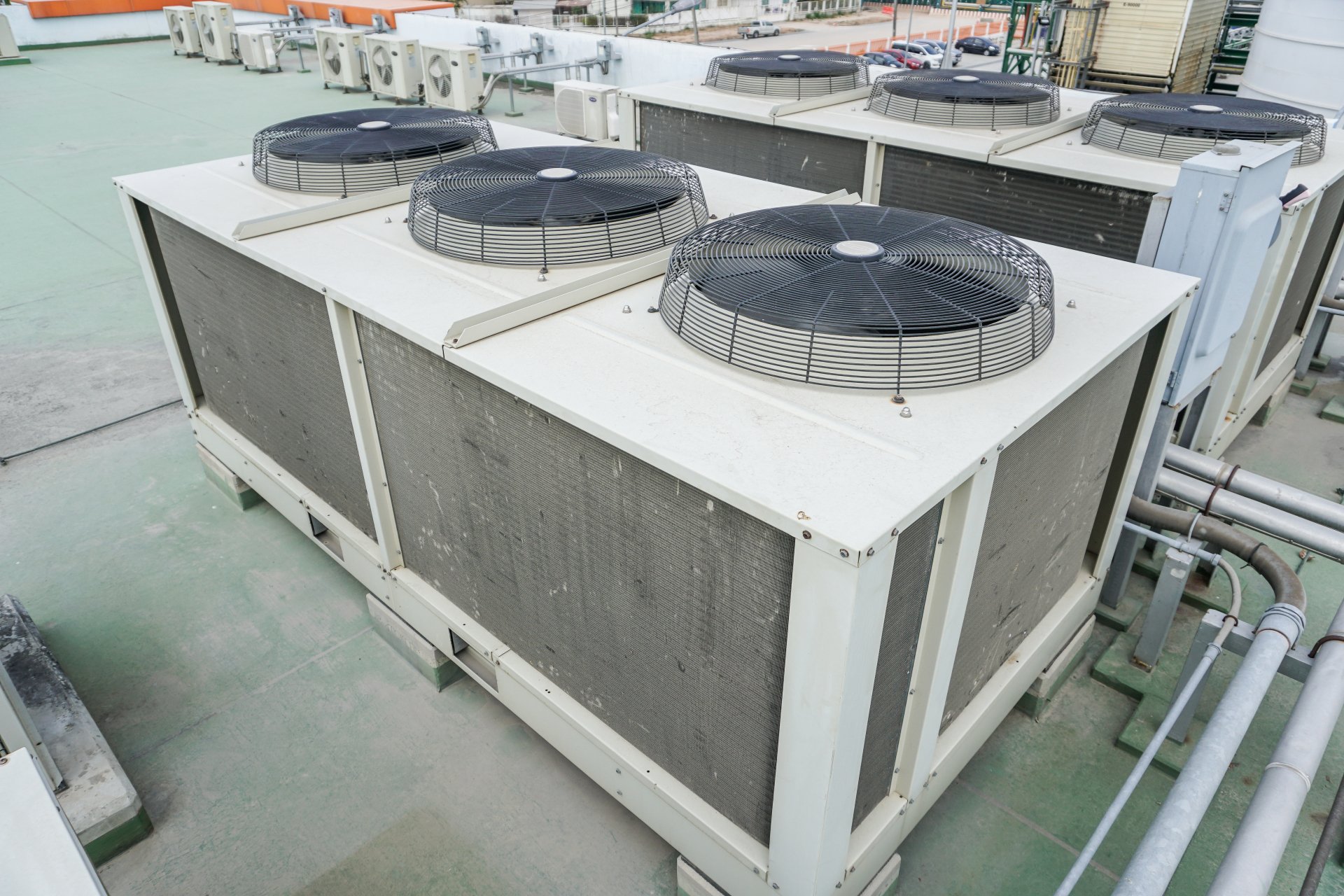
Restaurant and Food Service Building Roofing in Tacoma, WA
Kitchen exhaust grease, makeup-air units, and constant rooftop traffic age restaurant roofs fast; in Tacoma we use grease-resistant membrane and protect the field around hoods so the surface survives the load.
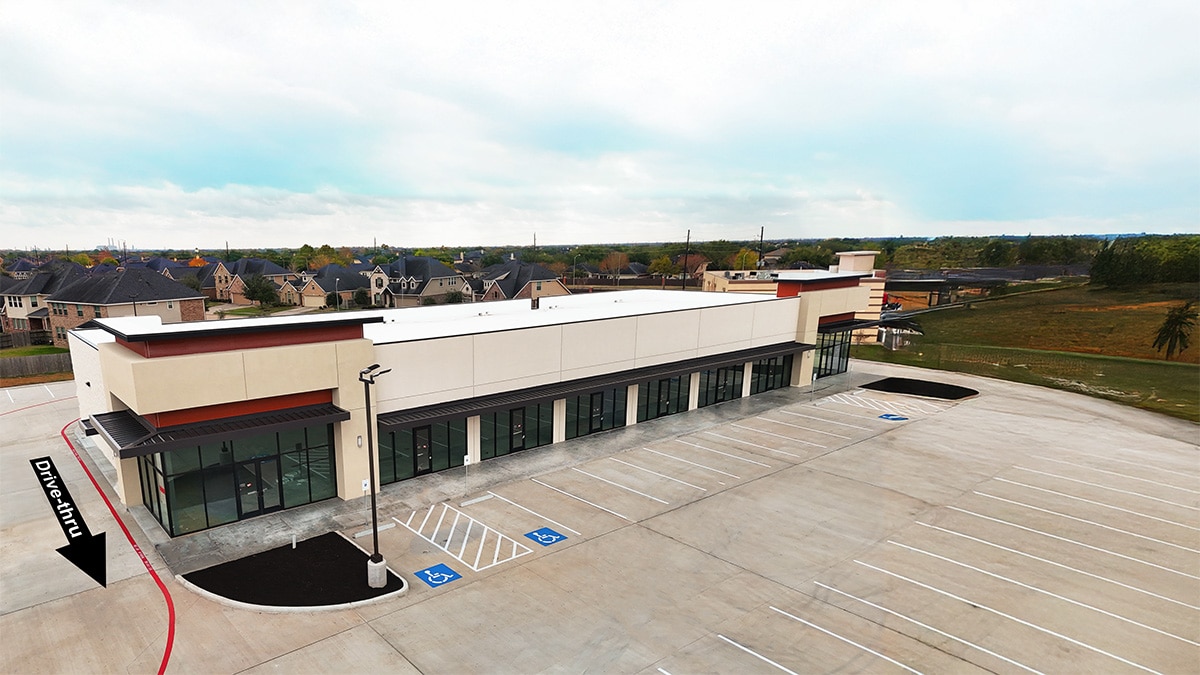
Retail and Shopping Center Roofing in Tacoma, WA
Storefronts and strip centers across Pierce County need leak-free sales floors and tidy parapet details; retail roof work is scheduled around store hours so customers never see the staging or the tear-off.
Roof Recover and Overlay in Tacoma, WA
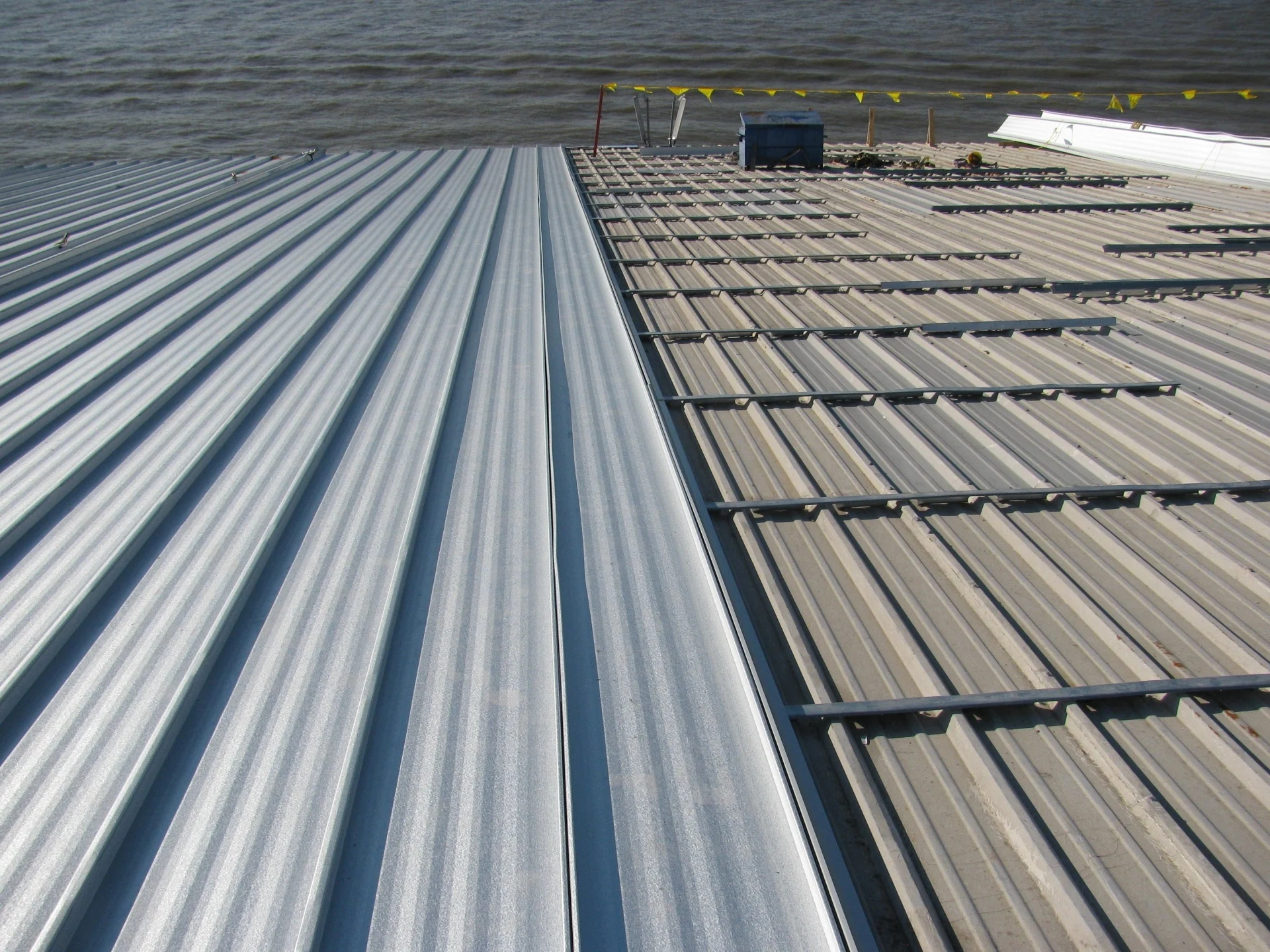
Where the deck and one membrane are still sound, a recover overlay adds a fresh system without a full tear-off, cutting cost and landfill while restoring watertightness on the right South Sound roofs.
Roof Waterproofing in Tacoma, WA
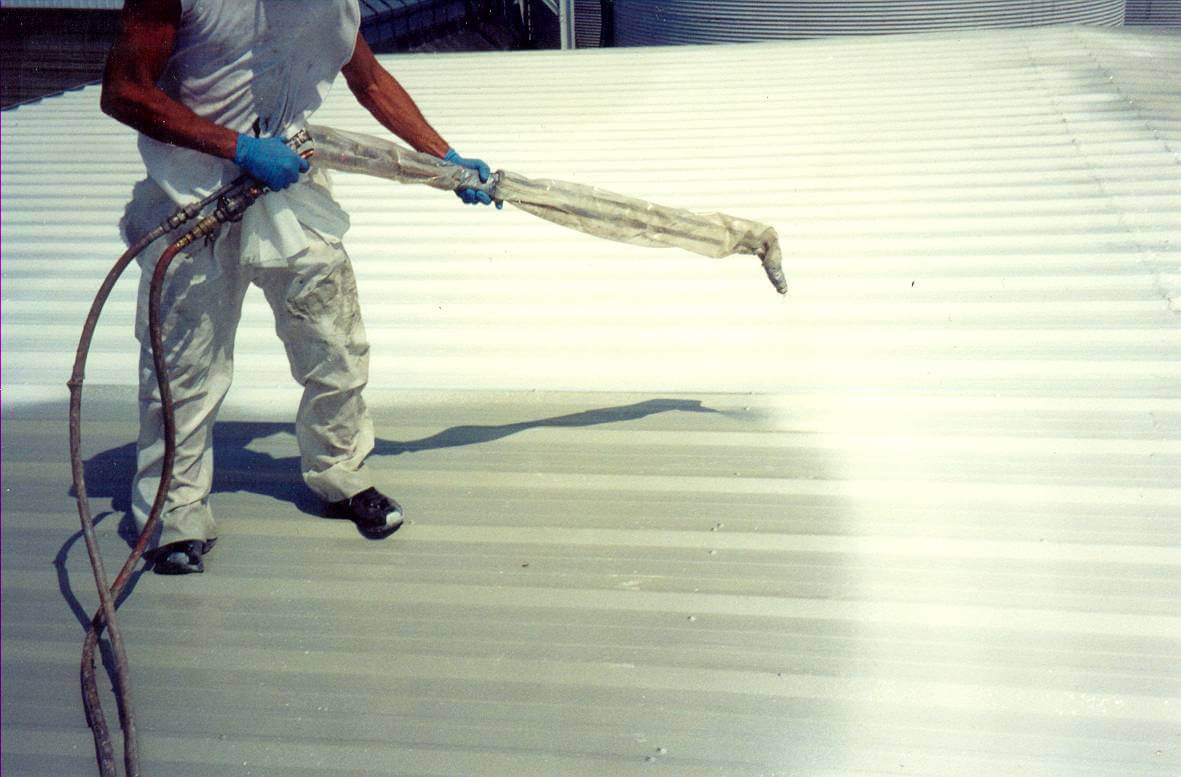
Plaza decks, planters, and below-grade transitions demand more than a field membrane; in rain-heavy Tacoma we detail waterproofing at the hard junctions where standing water and traffic meet the building.
School and K-12 Educational Building Roofing in Tacoma, WA
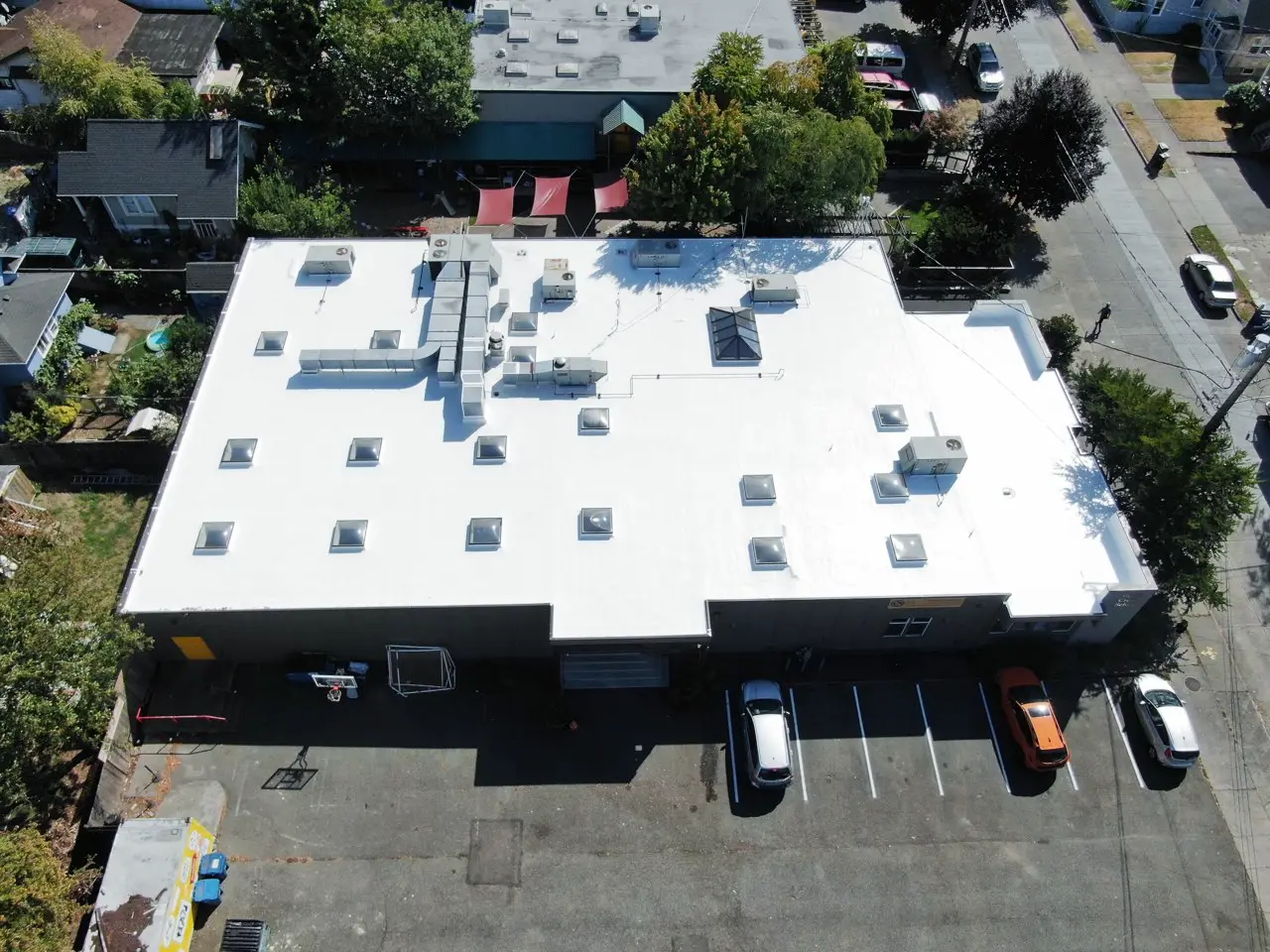
School roofs in Pierce County get replaced in the summer window between terms, with abatement, staging, and air-quality controls handled so students return to dry classrooms and an undisturbed campus.
Self-Storage Facility Roofing in Tacoma, WA
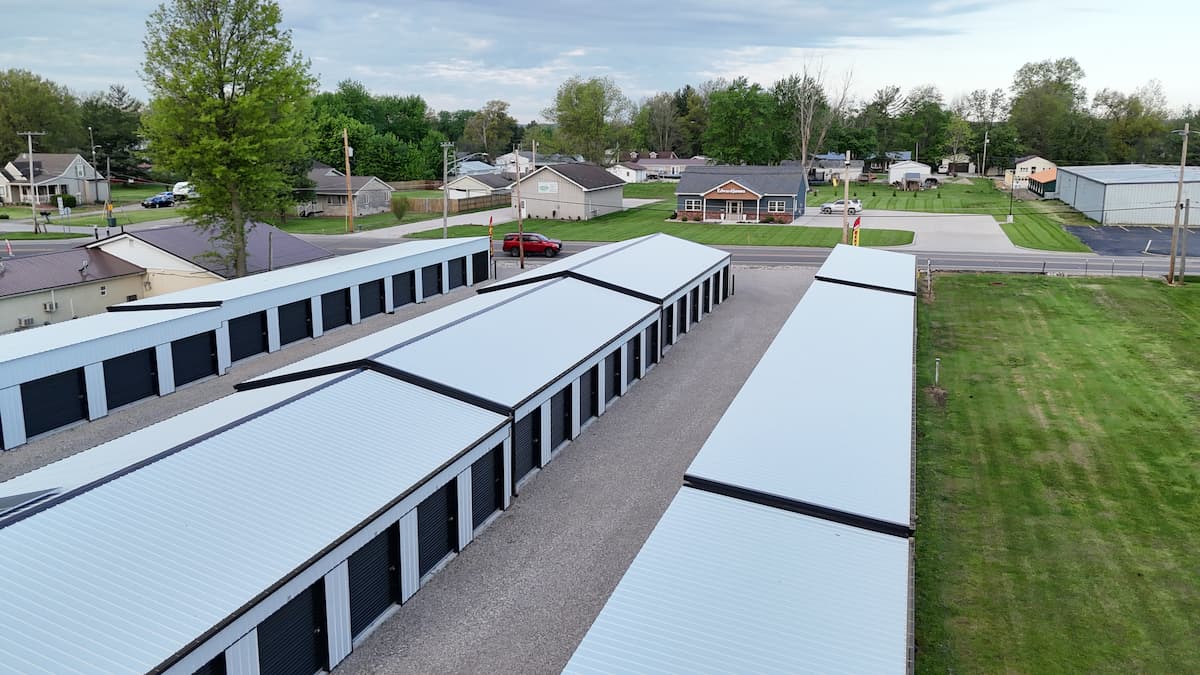
Long single-slope storage roofs ride on light metal framing that flexes in South Sound wind; we keep panel laps, end walls, and gutters tight so the units below stay dry and rentable.
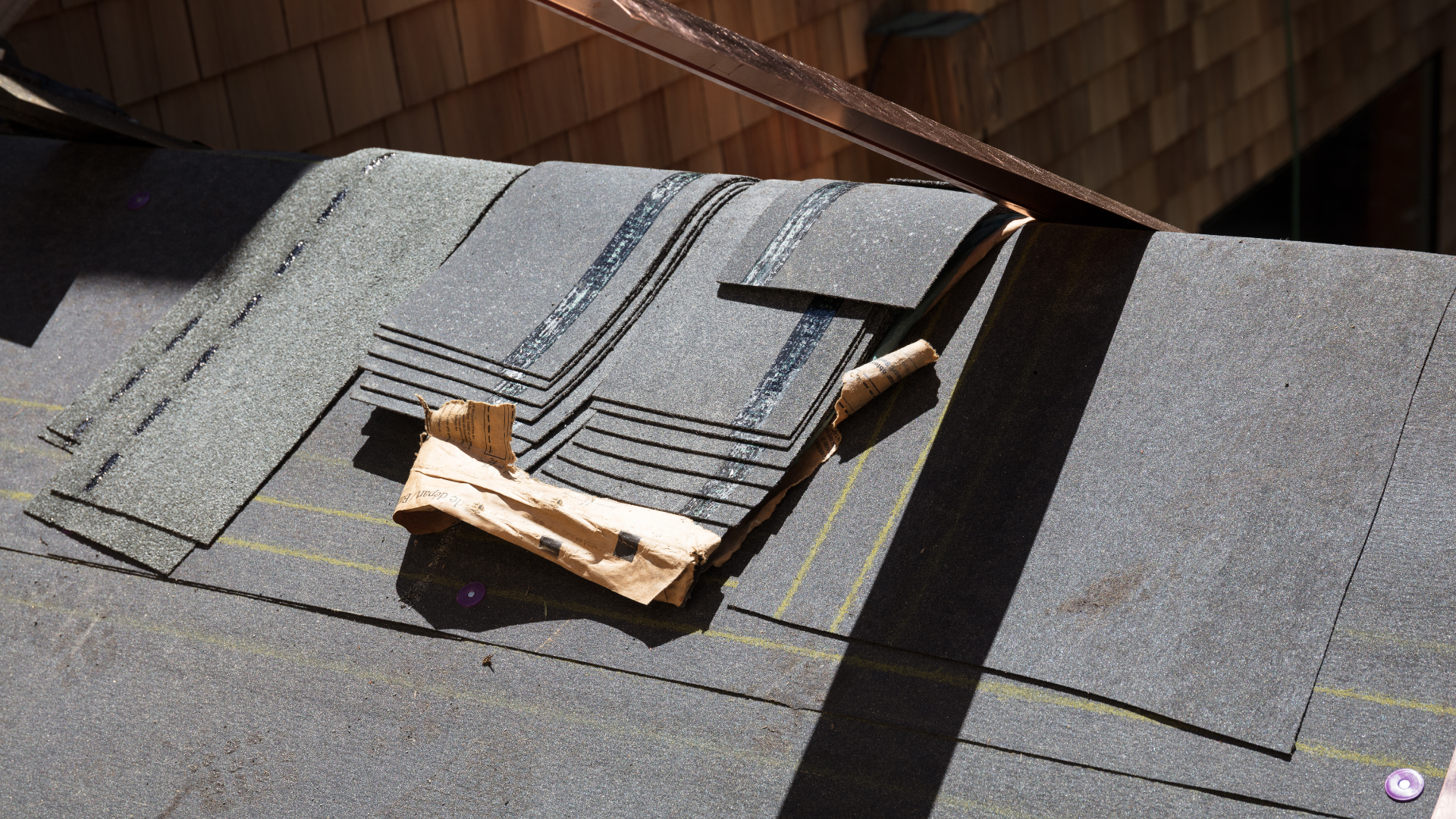
Skylight and Penetration Flashing in Tacoma, WA
Skylights, curbs, and pipe penetrations are the usual suspects behind a Tacoma leak; reflashing each one to the membrane with proper counterflashing stops water before it tracks into the deck.
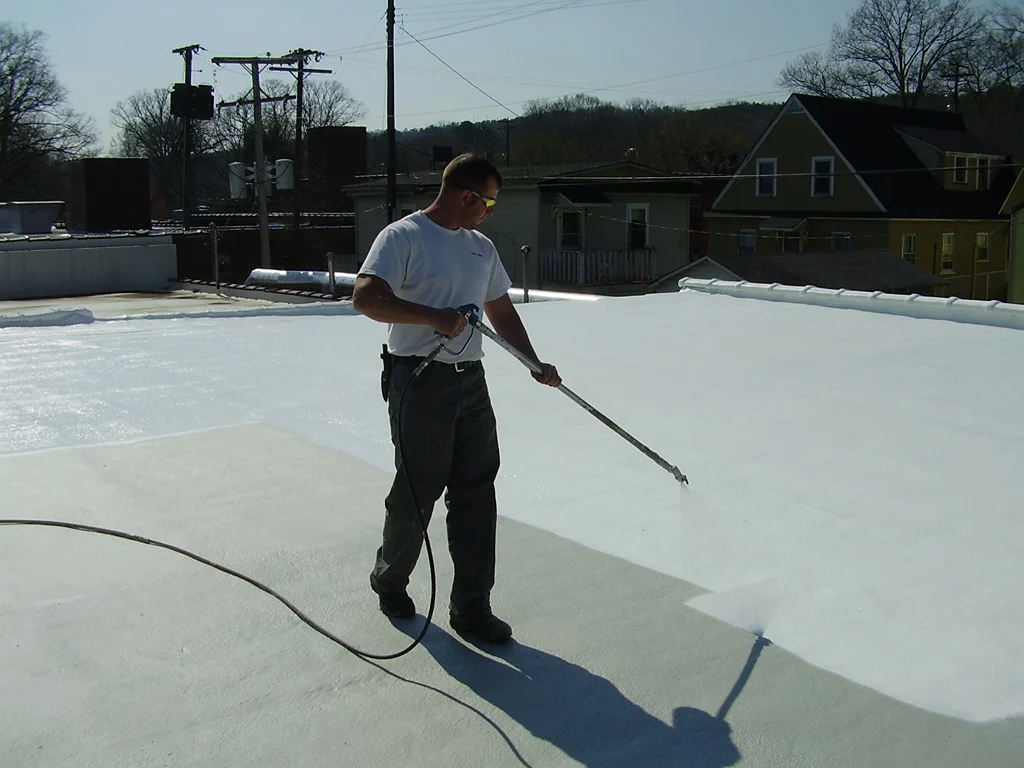
Spray Foam Roofing in Tacoma, WA
Seamless SPF insulates and waterproofs in one pass and self-flashes odd penetrations, but Tacoma's damp air narrows the spray window, so substrate moisture and dew point drive the schedule.
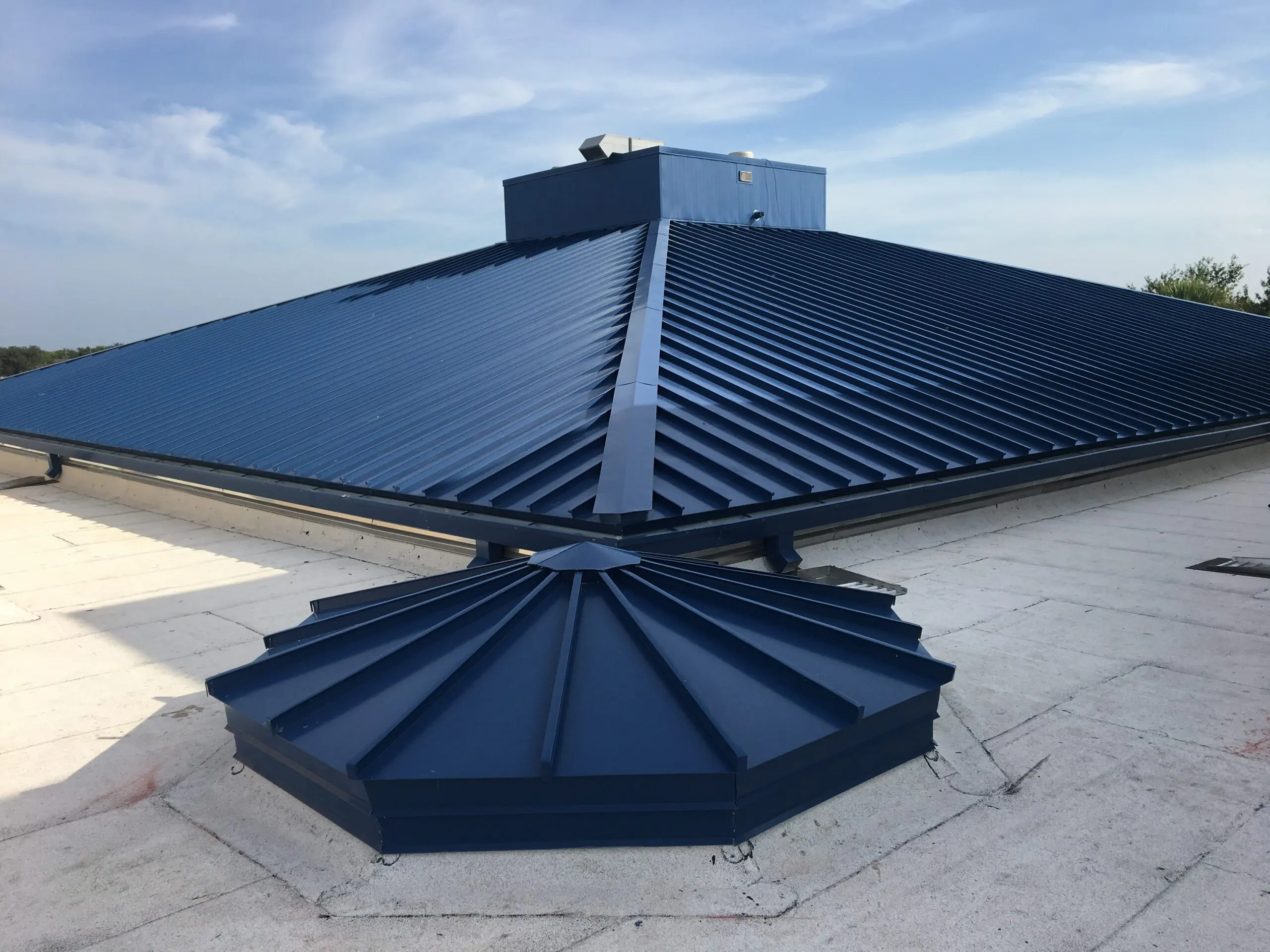
Standing Seam Metal Roofing in Tacoma, WA
Concealed-clip standing seam handles Puget Sound rain and slope changes with no exposed fasteners in the field; we watch panel movement, end laps, and flashing where the system meets walls and curbs.
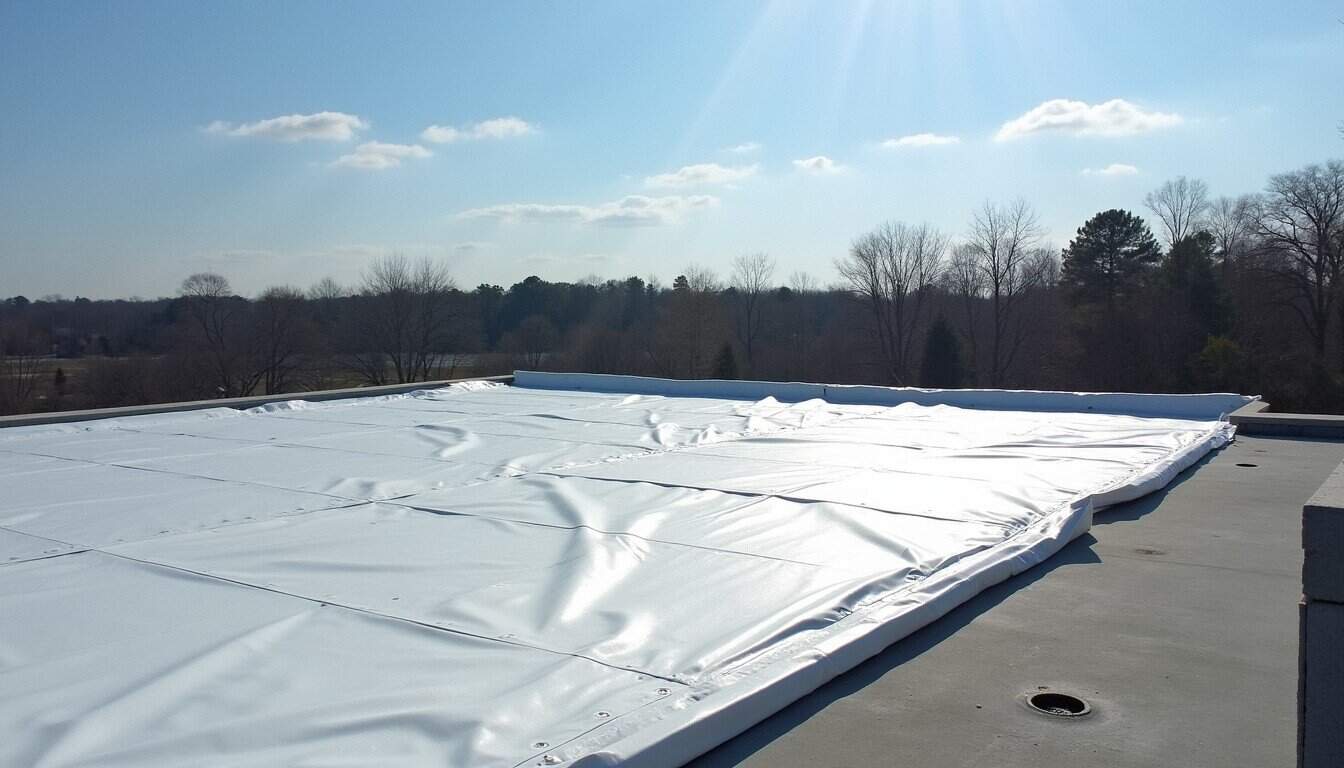
Storm Damage Roof Repair in Tacoma, WA
Pacific Northwest windstorms peel edge metal and lift membrane corners; storm repair in Tacoma starts with a fast dry-in, then permanent reattachment and flashing once the system is fully assessed.
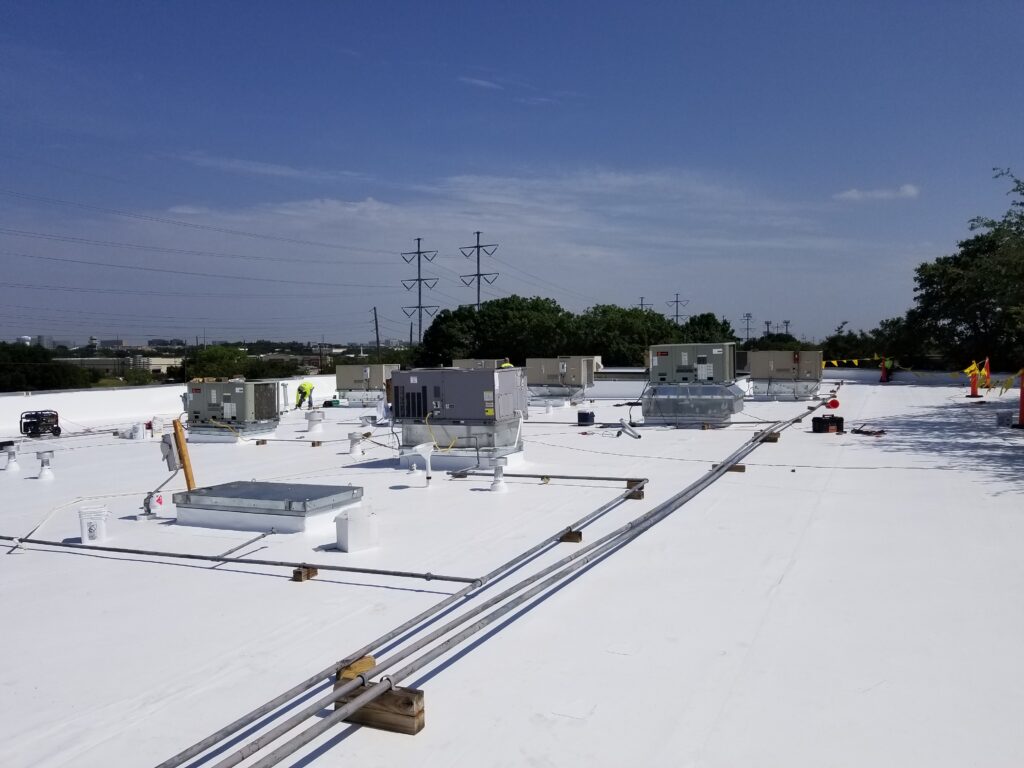
TPO Single-Ply Roofing in Tacoma, WA
Reflective white TPO is a workhorse on South Sound low-slope roofs, welding into a continuous sheet; membrane thickness and weld quality decide whether it reaches twenty years over Tacoma's wet winters.
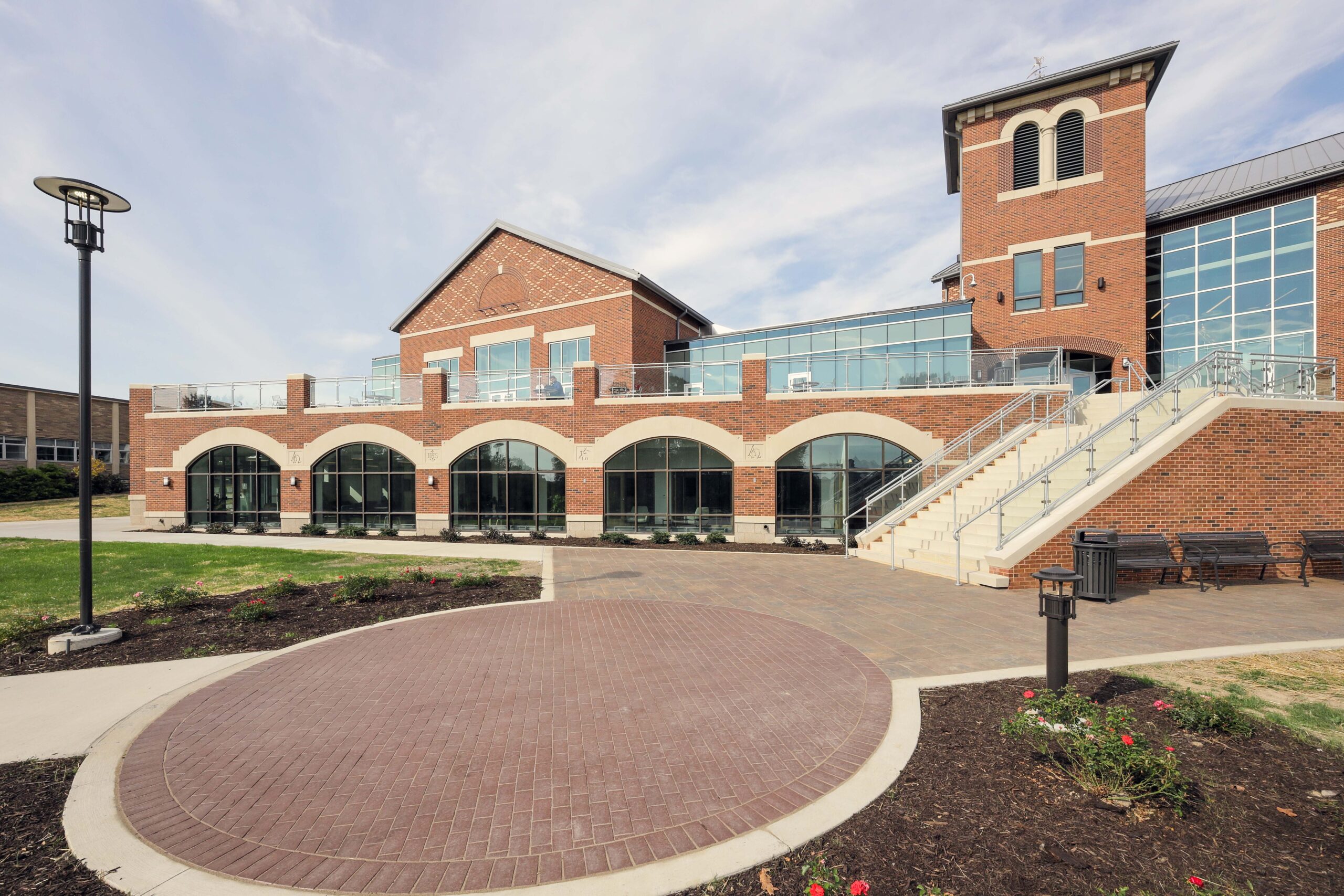
University and College Campus Roofing in Tacoma, WA
Campus roofs mix labs, dorms, and assembly halls under one facilities budget; Tacoma university work is phased around the academic calendar with research equipment and student housing protected throughout.
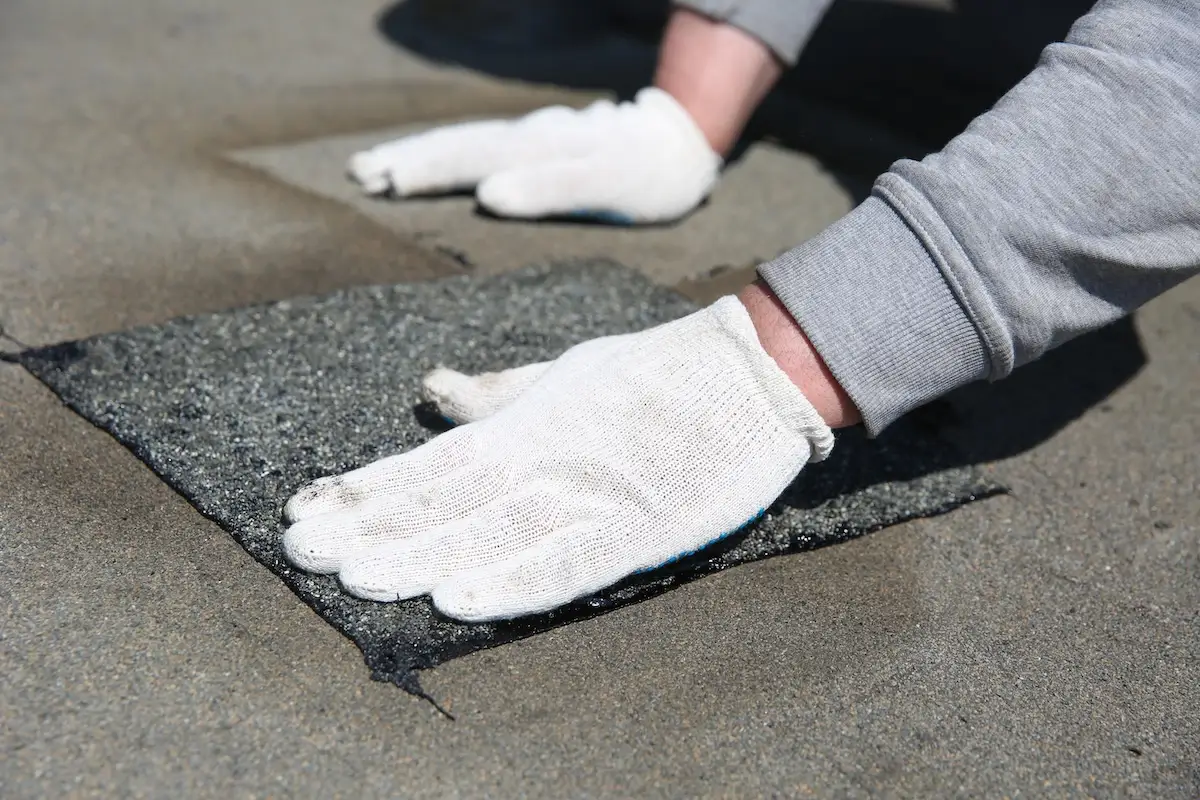
Wind-Driven Rain Roof Repair in Tacoma, WA
Tacoma's signature problem is rain pushed sideways under flashing and laps; this repair targets the wall-to-roof transitions and terminations where horizontal water sneaks past a roof that sheds vertical rain fine.