Tacoma, WA
TacomaService Areas
Commercial roofing support for the Port of Tacoma, Tideflats, downtown buildings, South Sound logistics corridors, and nearby Pierce County facilities.
South Sound Coverage
Top Tacoma Roof Corridors
Start with the roof location that best matches the building, then send the roof concern, access notes, and timeline so the scope can be tied to the actual site.
 Port of Tacoma
 Tacoma Tideflats
 Downtown Tacoma
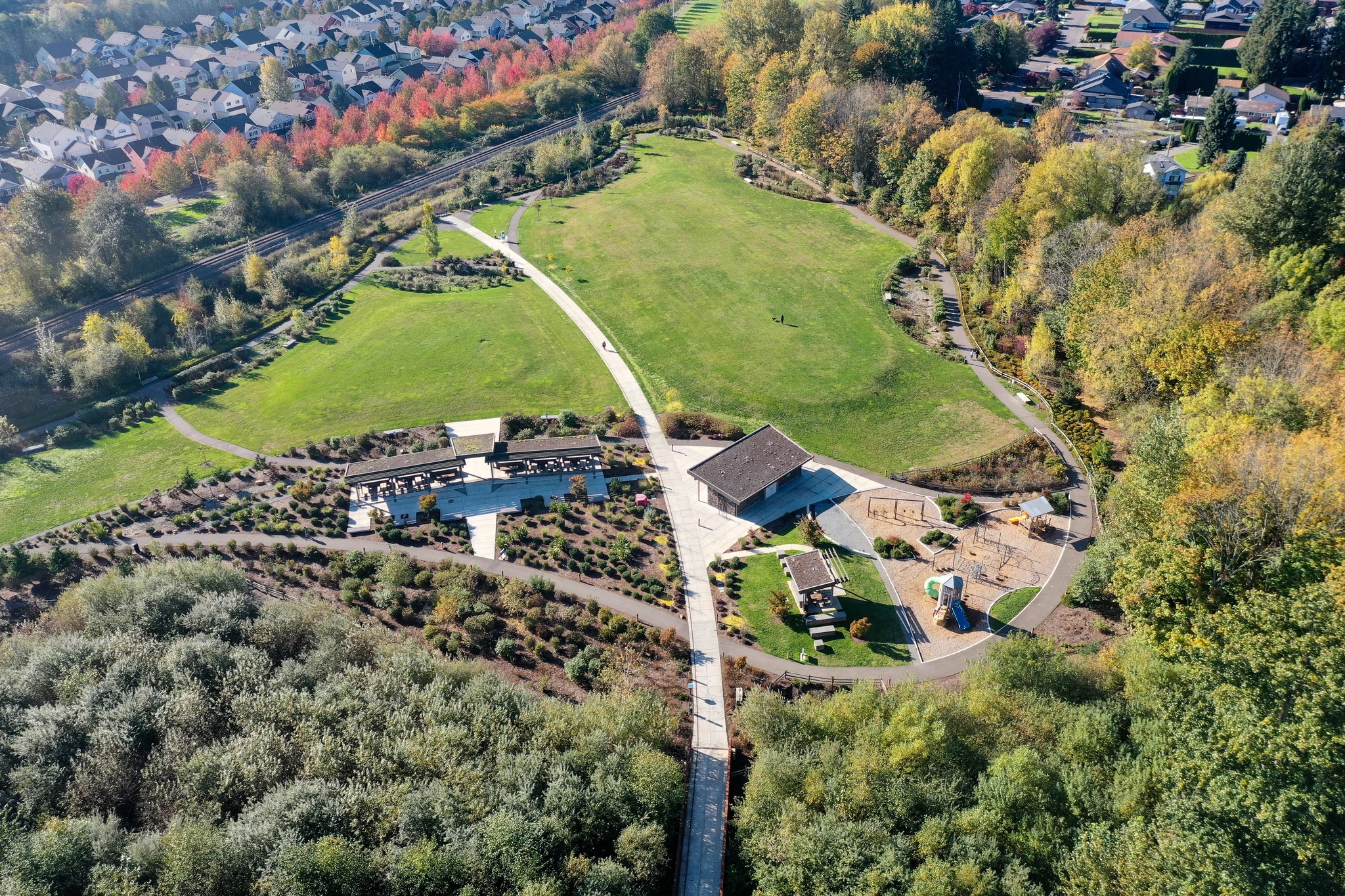 Fife
Fife
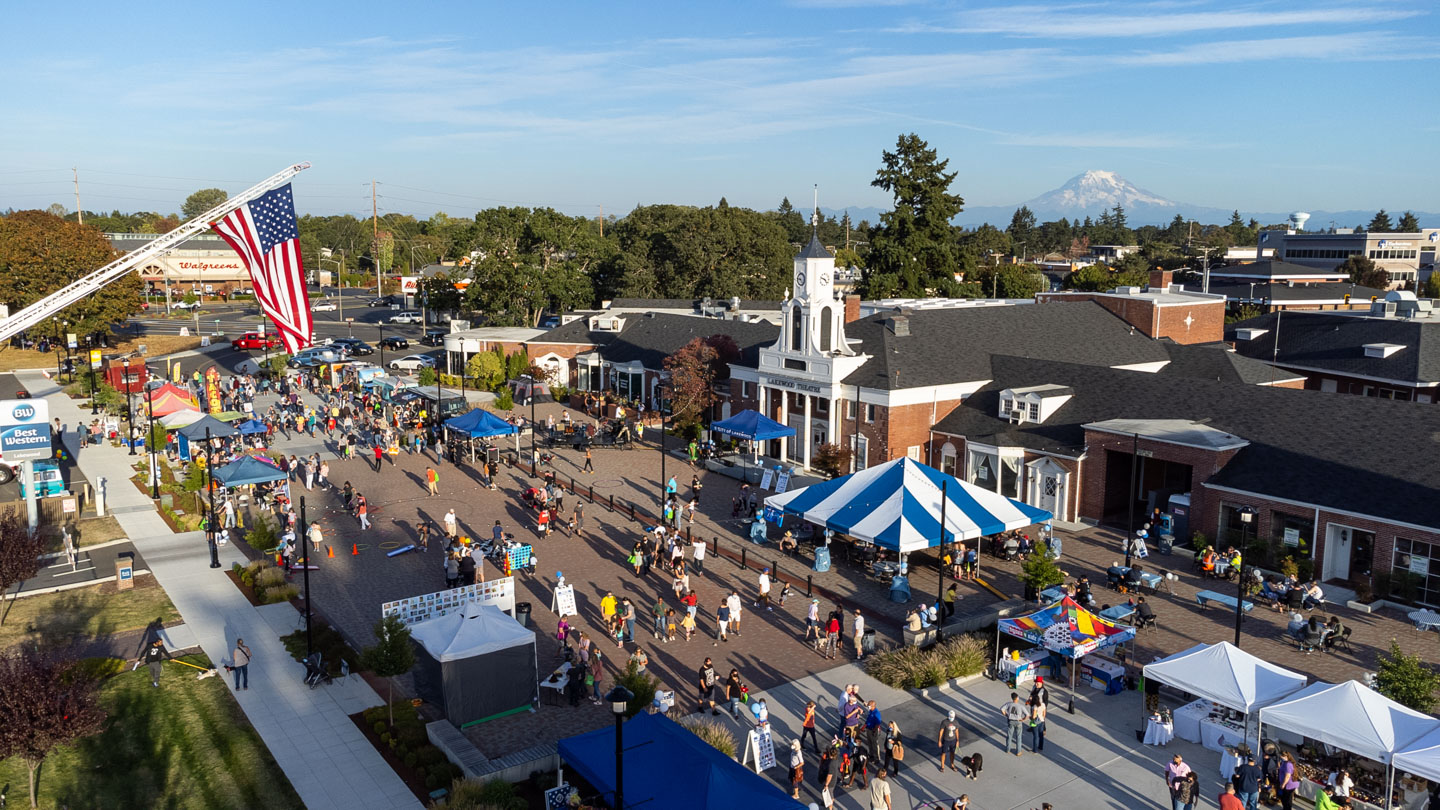 Lakewood
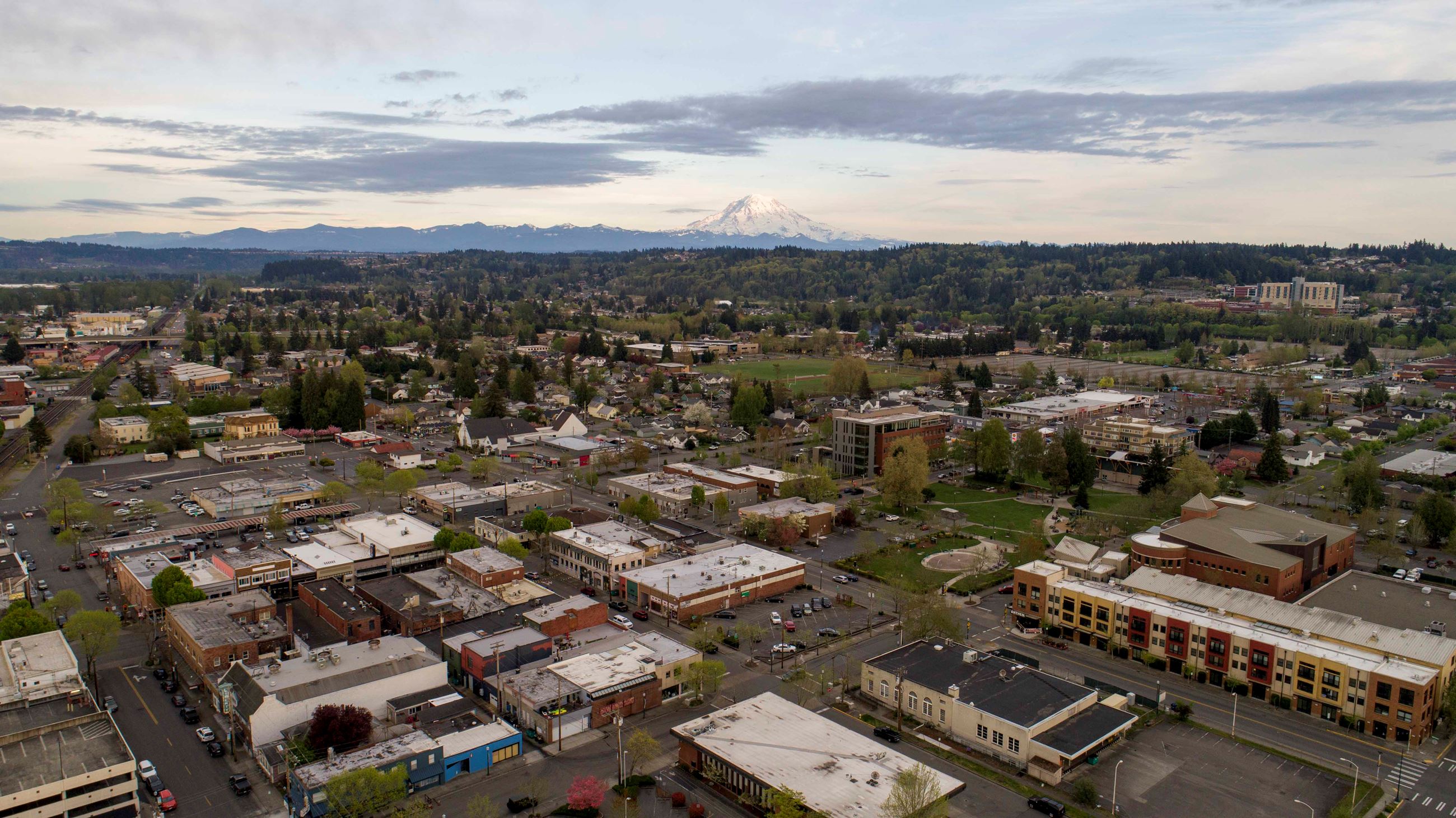 Puyallup
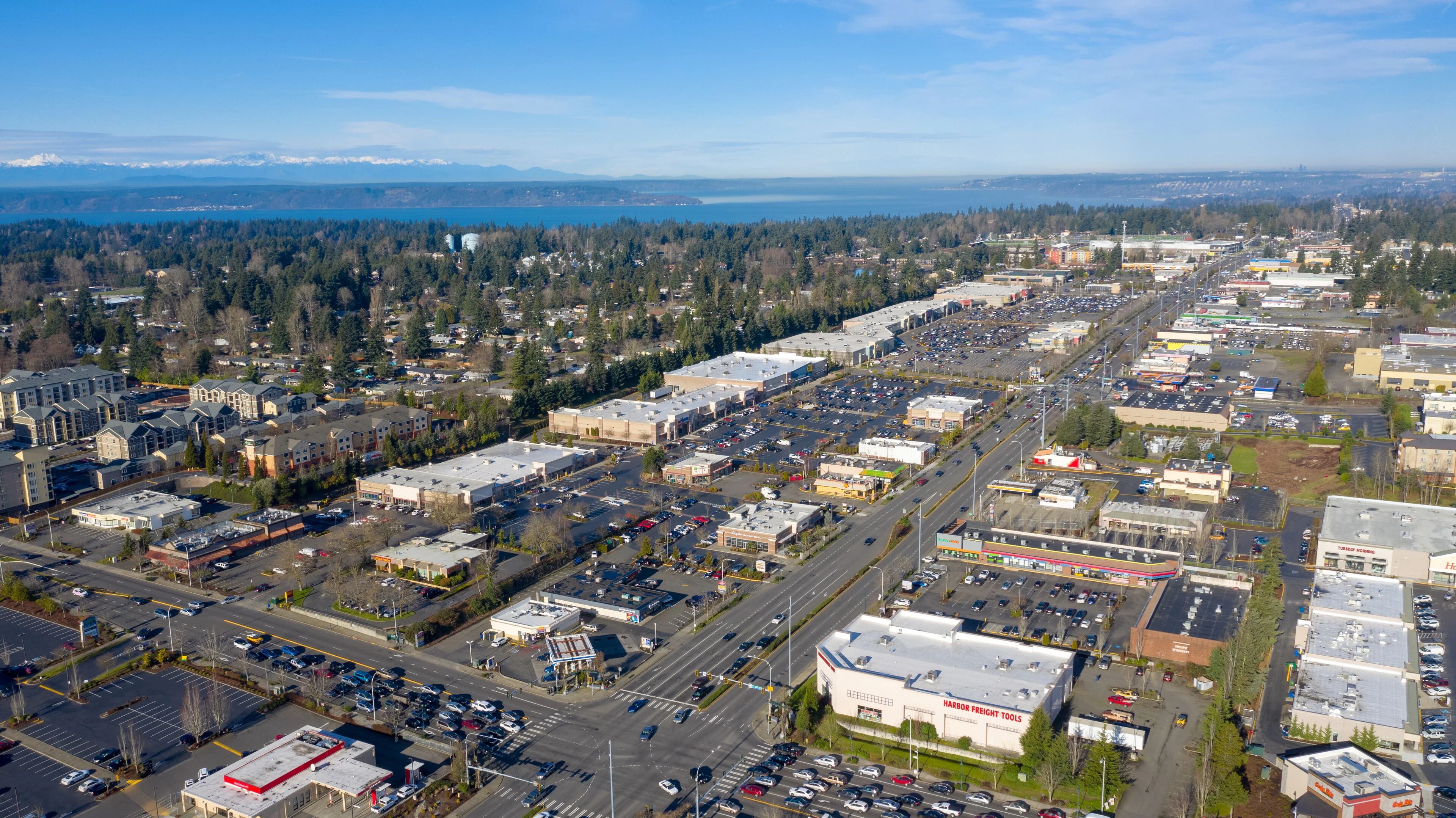 Federal Way
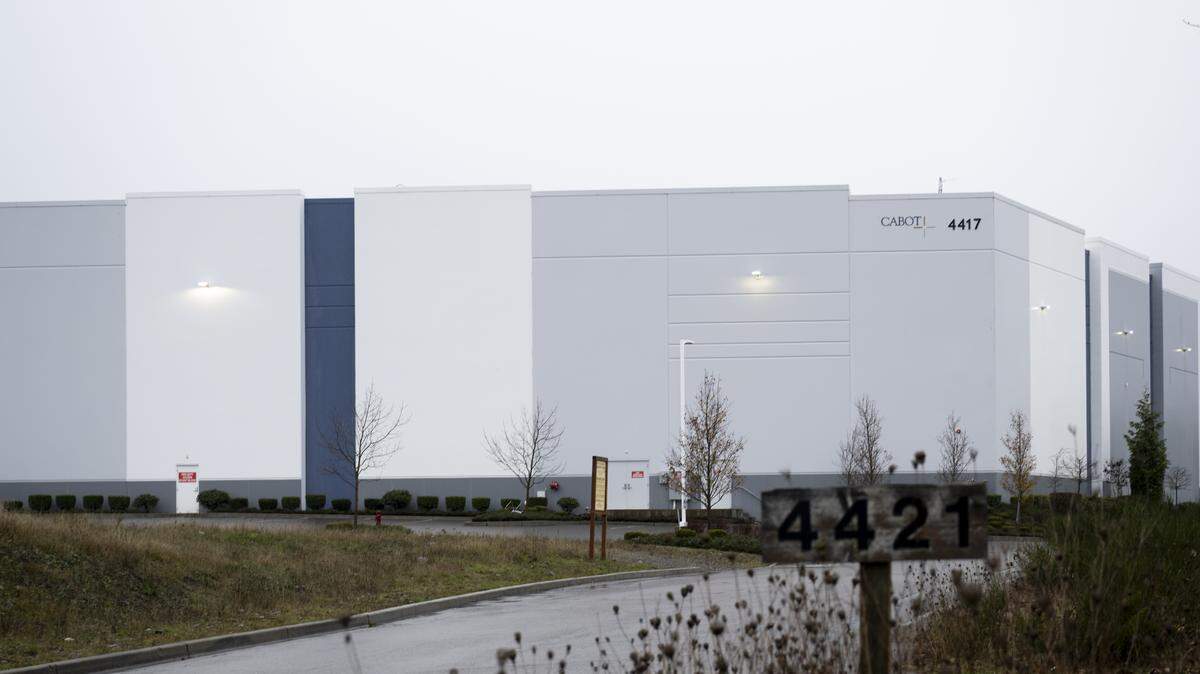 Frederickson Industrial Center
All Tacoma and South Sound Locations
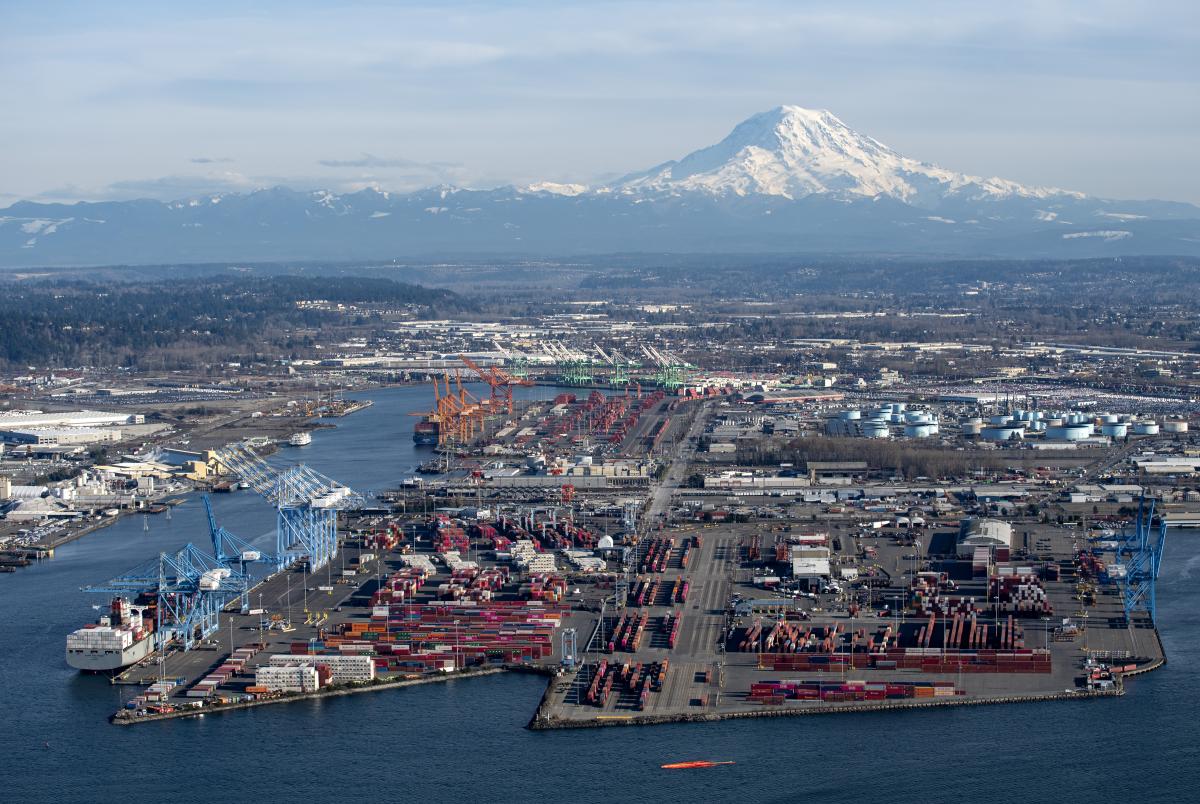
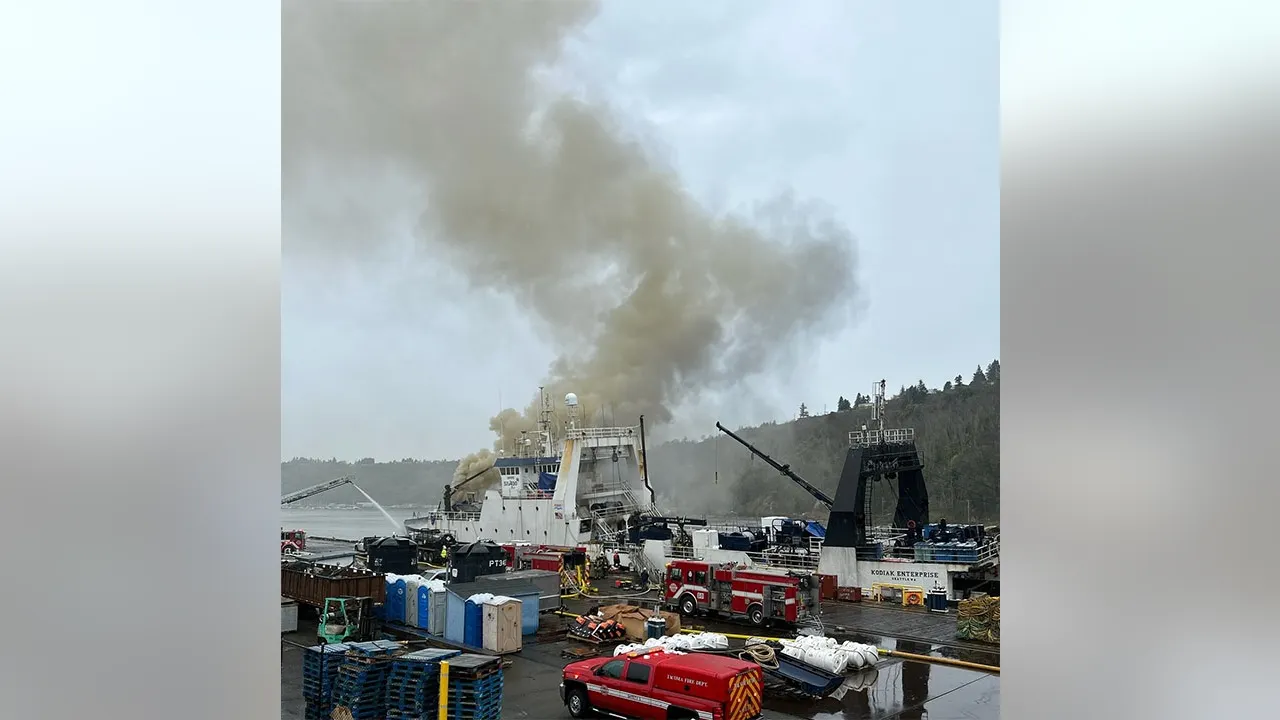
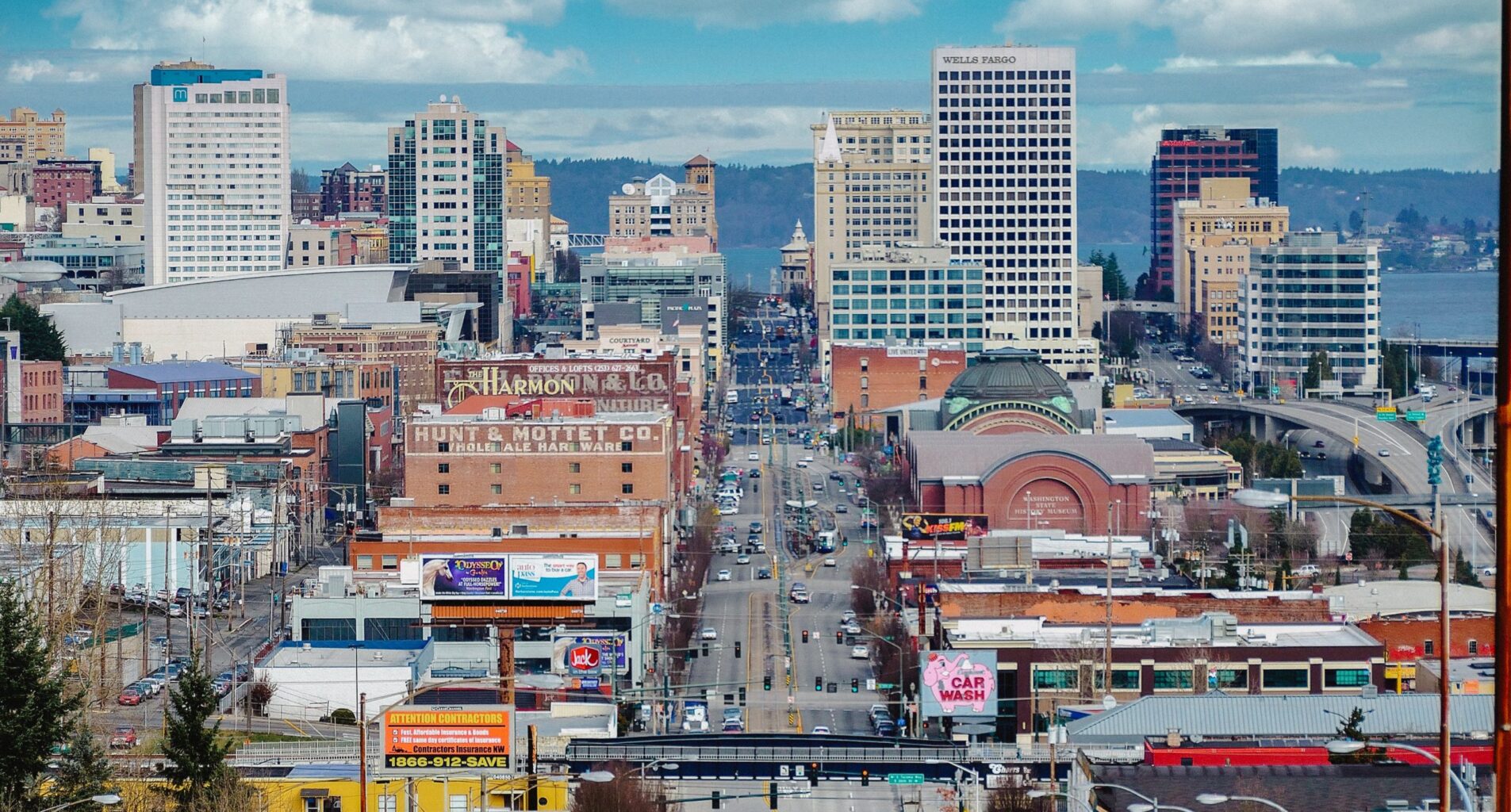
Port of TacomaPort buildings take the brunt of Commencement Bay's salt air, wind, and round-the-clock cargo traffic, so marine-grade fasteners and heavily reinforced perimeters are standard on these roofs.Tacoma TideflatsThe Tideflats' industrial roofs sit in the most corrosive, wind-exposed pocket of the city, where salt air off the bay and constant port activity demand marine-rated metal and reinforced membrane edges.Downtown TacomaDowntown's mid-rise offices and historic masonry buildings demand tight staging, crane logistics on narrow streets, and parapet and flashing detailing suited to older walls under steady marine rain.FifeHard against the Tideflats, Fife's truck-stop commerce and distribution buildings take salt air and constant heavy traffic, so corrosion-rated metal and reinforced membrane edges are the priority here.LakewoodLakewood's retail centers, medical campuses, and military-adjacent commerce spread across a broad footprint, with roof work paced around busy parking and the steady traffic these properties draw.PuyallupPuyallup's fairgrounds-area venues and South Hill retail mix big event roofs with strip centers, where seasonal traffic surges shape when and how roof work gets scheduled.Federal WayFederal Way's big-box retail and office parks carry large membrane fields and dense rooftop HVAC; drainage capacity and curb flashing drive the maintenance picture on these commuter-corridor buildings.Frederickson Industrial CenterFrederickson's large manufacturing and aerospace-supply plants ride on expansive metal and membrane roofs; process exhaust and clear-span decks mean tie-ins are coordinated tightly around production.Sumner Pacific Manufacturing Industrial CenterThis manufacturing and industrial center packs heavy plants onto the valley floor, where large metal and membrane roofs carry process exhaust and tie-ins are sequenced around continuous production.Kent ValleyThe Kent Valley's enormous distribution roofs are some of the largest low-slope fields in the region, where overflow drainage and seam reliability govern whether millions of square feet stay dry.Tacoma MallThe Tacoma Mall district's retail anchors and surrounding commercial pads carry large membrane fields and heavy rooftop HVAC, so drainage and curb flashing drive the maintenance plan here.South TacomaSouth Tacoma's auto row and light-industrial corridor along the rail line carries a dense mix of shops and warehouses where durable, low-maintenance membrane fits the working-building stock.AuburnAuburn's valley-floor warehouses and Supermall-area retail sit on broad low-slope roofs where Green River Valley drainage and ponding control matter more than steep-slope detailing.Gig HarborAcross the Narrows, Gig Harbor's waterfront retail and medical buildings face marine exposure and salt air, so corrosion control and well-sealed coastal-facing flashings define the work here.Bonney LakeUp on the plateau, Bonney Lake's commercial buildings catch colder nights and the occasional snow load, so freeze-thaw at seams and insulation depth carry more weight here than down by the water.Dome DistrictAround the Tacoma Dome, event venues, hotels, and parking structures crowd together; roof work in the district is scheduled around show traffic and the dense rooftop equipment these large-span buildings carry.DupontDuPont's planned commercial parks and corporate campuses near JBLM feature newer low-slope roofs where warranty compliance and clean documentation matter as much as the membrane itself.EdgewoodEdgewood's mix of light industrial and roadside commercial buildings spreads along the plateau edge, where exposure to wind and the run between Tacoma and the valley shapes how roofs weather.FircrestFircrest's small commercial core and medical offices favor modest, well-detailed low-slope roofs where quiet, tidy work near a residential setting matters as much as the membrane spec.HilltopHilltop's revitalizing commercial blocks and clinics mix older masonry with new construction, calling for flashing details that bridge historic parapets and modern low-slope membrane alike.Joint Base Lewis Mcchord AreaFacilities serving the JBLM area need documented scope, controlled access, and dependable scheduling; roofing here is planned around security protocols and the steady use these support buildings see.Lincoln DistrictThe Lincoln District's small-business storefronts and older commercial buildings need affordable, well-sequenced roof work that keeps shops open while aging parapets and seams are brought back to watertight.MckinleyMcKinley Hill's neighborhood commercial buildings and light industrial sites sit on a slope above the valley, where roof drainage routing and wind exposure shape the detailing more than the spec sheet.MiltonStraddling the Pierce-King line, Milton's roadside commerce and small industrial shops take exposure from both valleys, so durable edge metal and reliable gutters carry the load on these buildings.Nalley ValleyNalley Valley's industrial corridor along the freeway interchange packs warehouses and shops onto the valley floor, where ponding control on dead-flat roofs is the recurring concern.Old Town TacomaOld Town's historic waterfront buildings combine aging structure with prime marine exposure off Commencement Bay, demanding flashing and waterproofing tuned to salt air and decades-old parapets.PacificPacific's valley-floor warehouses and small plants sit in the wet Green River lowlands, where high water tables and broad low-slope roofs make drainage and a dry deck the central issue.ParklandParkland's commercial strips and the buildings around Pacific Lutheran serve a busy corridor, with roof work scheduled to keep retail and campus-adjacent traffic moving below.Proctor DistrictThe Proctor District's walkable retail and mixed-use blocks sit among established neighborhoods, so tidy staging and careful work over occupied shops matter as much as the roof detailing itself.Ruston Point DefianceHard on the waterfront near Point Defiance, Ruston's newer mixed-use and retail buildings face direct marine exposure, putting corrosion control and sealed coastal flashings at the top of the list.Sixth AvenueThe Sixth Avenue commercial strip's restaurants and storefronts run grease-laden kitchen exhaust and constant foot traffic, so grease-resistant membrane and protected fields keep these roofs serviceable.South HillSouth Hill's plateau retail and medical buildings sit at elevation above Puyallup, catching cooler nights and heavier weather that push freeze-thaw and insulation higher on the priority list.SpanawaySpanaway's roadside commerce and small commercial buildings spread along the Mountain Highway corridor, where exposure and straightforward, durable roof systems suit the practical building mix.Stadium DistrictThe Stadium District blends historic schools, churches, and mixed-use buildings on the bluff above the water, calling for flashing and waterproofing that respect both age and marine exposure.SteilacoomHistoric Steilacoom's small commercial buildings sit right on the Sound, where salt air and waterfront wind make corrosion-resistant detailing and tight flashings essential on these older structures.SumnerSumner's warehouse-rich valley corridor anchors the region's distribution belt, with vast low-slope roofs where drainage capacity and seam integrity determine whether goods below stay dry.Tacoma NarrowsNear the Narrows bridge, commercial and airport-adjacent buildings catch strong channeled wind, so edge-metal attachment and uplift resistance get extra attention on these exposed roofs.Commercial RoofingRoofs across the city core span historic masonry, mid-rise offices, and waterfront industry, all under the steady marine rain that makes drainage and flashing the heart of every Tacoma roof project.Thea Foss WaterwayAlong the redeveloped Foss Waterway, museums, offices, and mixed-use buildings face direct waterfront exposure, where plaza-deck waterproofing and salt-air flashing detailing carry the project.University PlaceUniversity Place's retail centers and medical offices serve an established west-side community, with roof work paced around busy parking and the residential edges these properties back up against.