Restaurant and Food Service Building Roofing
Tacoma's food scene has evolved dramatically from its industrial port roots, with the Proctor District's neighborhood restaurants, Sixth Avenue's eclectic dining strip, the fast-casual clusters along Pacific Avenue, and the waterfront mixed-use development at Thea Foss Waterway all drawing consistent foot traffic. The city's position between Puget Sound and the Cascade foothills means restaurant roofs absorb a uniquely Pacific Northwest punishment: relentless winter rainfall that averages over 38 inches annually, periods of windblown rain that test every penetration flashing, and the occasional heavy snowstorm that Mt. Rainier weather systems can push through the lowlands. A restaurant roof in Tacoma earns its keep every single month of the year.
Grease exhaust curbs on Tacoma restaurant roofs face a moisture-and-grease combination that is particularly aggressive. The city's consistent rainfall means grease residue around exhaust curbs never fully dries out, instead forming a persistent emulsified layer that infiltrates beneath flashing edges and tracks down through deck seams. Stainless steel exhaust curb construction with polyurethane-backed butyl tape at all base interfaces—not caulk beads that eventually crack—creates a seal that maintains integrity even when the curb sits wet for weeks at a time during December and January.
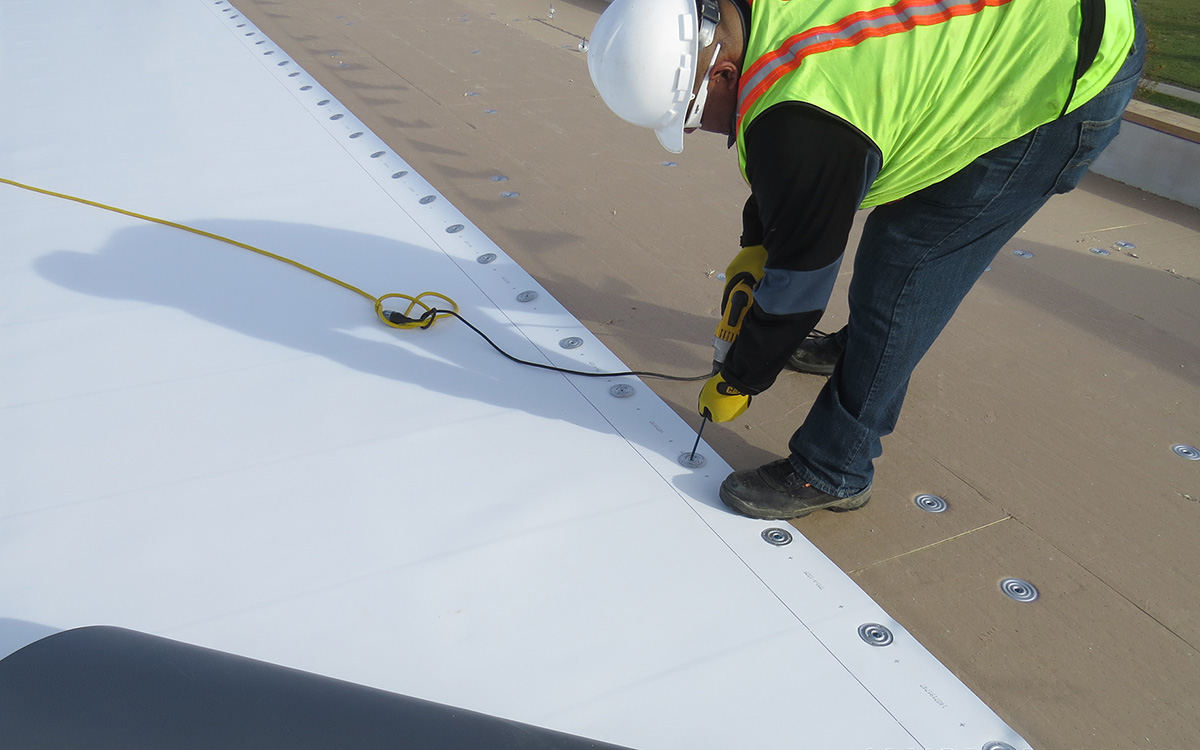
TPO membrane systems have largely replaced modified bitumen on Tacoma's flat restaurant roofs because welded TPO seams tolerate the thermal cycling of the Pacific Northwest better than bituminous lap seams that stiffen in cold weather. When Tacoma's temperature drops from forty-five degrees during a day to near freezing overnight during a January cold front, seam flexibility matters. Properly welded 60-mil TPO maintains its bond across that range and does not develop the lap-seam delamination that is common on older SBS systems after several winters of thermal movement.
The brewery and gastropub sector has expanded significantly in Tacoma, particularly near the University of Washington Tacoma campus and along the Stadium District corridor. Craft operations in converted brick commercial buildings typically feature multiple steam venting penetrations, large rooftop HVAC units serving open tasting room volumes, and kitchen exhaust systems that are more complex than standard restaurant configurations. Each of those penetrations is a potential source of the slow, chronic leaking that causes insulation saturation before any visible interior water staining appears. Thermal imaging surveys are the most reliable way to identify wet insulation in Tacoma's perpetually damp environment.
Walk-in refrigeration units on Tacoma restaurant roofs present a drainage challenge specific to the Pacific Northwest climate. Condensate from cooler units drains continuously through the roof assembly, and in a city where the surrounding membrane is already absorbing significant rainfall, cooler condensate adds to a moisture load that insulation can only absorb for so long before compression and thermal performance degradation begins. Positive-draining condensate lines that carry cooler water directly to roof drains—rather than allowing it to sheet across the membrane field—significantly extend insulation life and reduce the risk of structural deck deterioration.
Pierce County's building department processes roofing permits on a timeline that varies significantly by project scope. Simple re-roofing permits on single-story restaurant structures in unincorporated Pierce County areas adjacent to Tacoma typically move faster than City of Tacoma permits for projects in designated historic or mixed-use zones. Operators in the downtown core or Stadium District should build permit lead time into project scheduling—sometimes two to three weeks—and work with a contractor who has existing relationships with the city's inspection division to facilitate faster plan review when the scope is straightforward.
McDonald's, Subway, and Panda Express franchise operators along the South Tacoma Way and 72nd Street commercial corridors face the same documentation challenge as franchise operators across the state: national facility management systems require certified contractor work and specific material specifications, but Washington State's contractor registration requirements add a layer that out-of-area crews occasionally miss. Confirming that the roofing contractor holds a current Washington State contractor registration, carries the required liability insurance, and maintains manufacturer certification for the specified membrane system protects both the operator's warranty and their franchisor relationship.
Emergency leak response is a genuine operational issue for Tacoma restaurant operators because the city's rainfall is not seasonal—winter rain extends well into May, and even summer months bring weather events that stress aging roofs. A multi-location QSR operator in Tacoma who has experienced an emergency roof leak during a Friday dinner service knows exactly how costly two or three hours of kitchen shutdown is in a competitive market. Pre-arranged emergency response agreements with a local roofing contractor, specifying a response time and the contractor's after-hours contact protocol, are worth formalizing in writing before the first fall rainstorm of the season.
Tacoma restaurant roofs age in patterns that reflect the city's weather more than their installation year. Penetration flashings fail first—typically at exhaust curbs and HVAC unit bases—because they receive the combined stress of thermal movement, wind uplift, and continuous moisture exposure. Field membrane failures are secondary and usually trace back to ponding water at low spots that were not corrected during the original installation. Annual inspections that specifically target penetration sealant condition and drainage performance around equipment curbs catch the vast majority of failure points before they develop into through-leaks.
- Why do exhaust curb flashings fail faster in Tacoma's climate than in other Pacific Northwest cities?
- Tacoma's rainfall is consistent rather than episodic, which means grease residue at exhaust curb flashings stays wet indefinitely rather than drying and stabilizing between events. That persistent moisture emulsifies grease and keeps it chemically active against sealants and membrane materials at the curb base. Using butyl-backed stainless curb systems rather than caulk-sealed galvanized curbs is the most effective solution for Tacoma's specific weather pattern.
- What is thermal imaging and why is it useful for Tacoma restaurant roof inspections?
- Thermal imaging uses an infrared camera to detect temperature differences across the roof surface that indicate trapped moisture in the insulation layer. Wet insulation retains heat longer after sunset than dry insulation, creating a detectable temperature signature. In Tacoma's climate, where insulation can absorb significant moisture without producing visible interior symptoms for months, thermal imaging identifies wet zones early enough to address them before structural deck damage occurs.
- How do I manage rooftop cooler condensate drainage on a Tacoma restaurant roof?
- Properly designed condensate drainage runs a pipe from the cooler unit's condensate drain point directly to the nearest interior roof drain, keeping the continuous flow of cooler water off the membrane field entirely. This prevents concentrated moisture loading on insulation beneath the drain path and eliminates the freeze risk at the cooler base during Tacoma's occasional sub-freezing winter nights. The drainage pipe should have a trap installed to prevent sewer gas from backing up through the drain line.
- What Washington State contractor requirements should I verify before hiring a roofer for my Tacoma restaurant?
- Verify that the contractor holds a current Washington State contractor registration number, carries the required general liability and workers' compensation insurance with valid certificates, and has completed any manufacturer training required for the membrane system specified. A contractor who cannot produce these documents immediately upon request should not be considered for the project, as working with an unregistered contractor creates significant liability for the building owner.
- How long does a typical Tacoma restaurant roof replacement take including permits?
- Permit processing through the City of Tacoma Building Department typically runs seven to fourteen business days for a standard re-roofing application on a restaurant building. Construction on a single-story quick-service building generally takes two to four days once permits are issued and materials are delivered. Phased overnight work to avoid closing the kitchen adds three to five additional nights to the installation schedule.